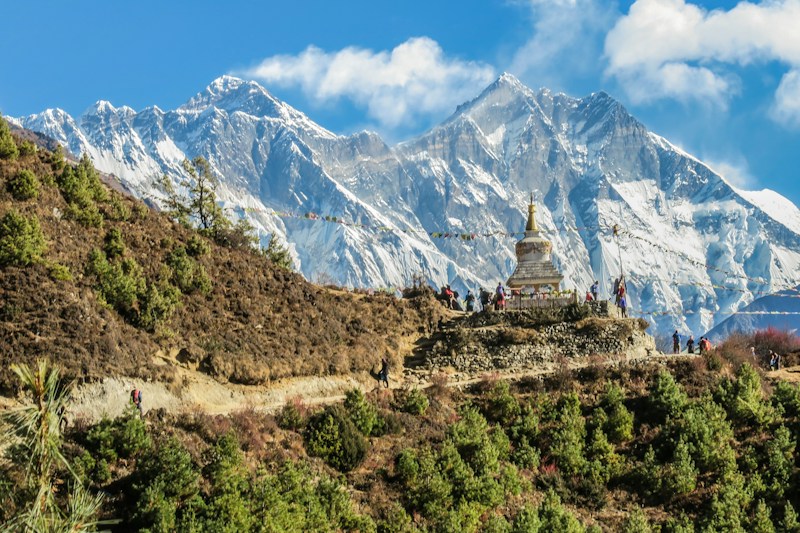
Kathmandu welcomes travelers with an incredible mix of living history, ancient spiritual traditions, and dramatic mountain landscapes. As Nepal's capital and largest city, it offers everything from UNESCO World Heritage monuments and centuries-old temples to peaceful gardens, hilltop monasteries, and green national park trails. Many visitors arrive as a gateway to treks, but Kathmandu itself deserves several days of unhurried discovery.
Whether you are arriving in Nepal for mountain trekking or exploring the valley on a family holiday, the city rewards patience and curiosity. You can watch early-morning prayers at riverside temples, admire palace courtyards frozen in time, and escape the crowds with a hike to a forested ridge or a panoramic viewpoint. This guide brings together the finest places to visit in Kathmandu in one well-organized, practical list.
Kathmandu Valley Travel Overview
- Attractions Featured: 15 Premier Cultural and Natural Sites
- Key Architectural Eras: Licchavi, Malla Pagodas, Rana Neoclassical
- Core Regions: Kathmandu, Patan (Lalitpur), Bhaktapur, Valley Rims
- Ideal Exploration Time: 3 to 4 Days
Kathmandu Valley contains one of the densest collections of UNESCO World Heritage sites on earth. The valley's seven monument zones, inscribed in 1979, include the great stupas and the three durbar squares, and they anchor any visit to the capital. The city is best experienced at a slow pace, so treat this list as a starting point rather than a checklist.
1. Swayambhunath Stupa
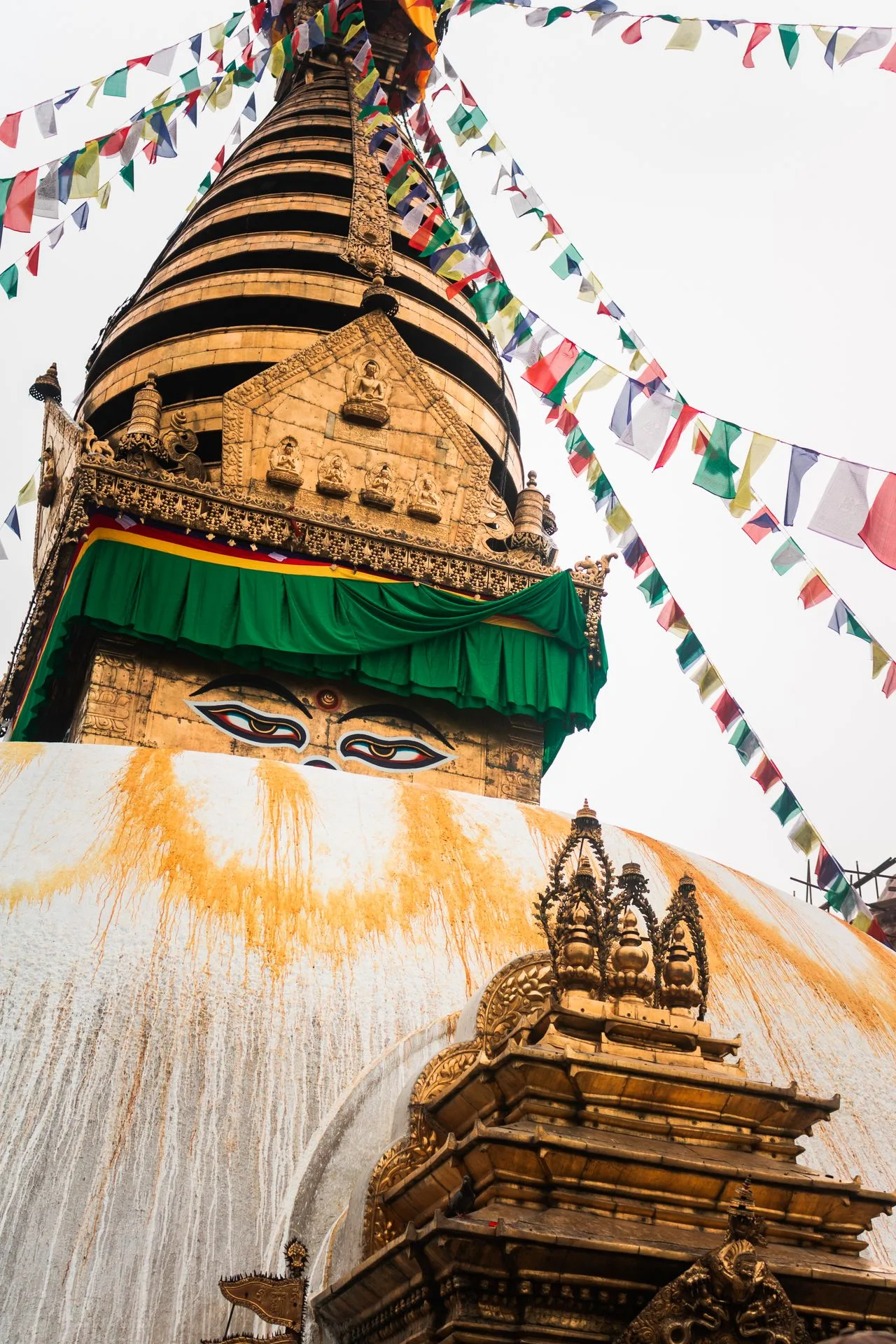
Photo: Mr Dr3igeteilt
Perched on a forested hilltop west of the city center, Swayambhunath Stupa offers sweeping panoramic views of Kathmandu Valley. Also known as the Monkey Temple due to the large troop of monkeys living there, it is one of the oldest sacred sites in Nepal, dating back over 2,000 years. Visitors climb 365 steps to reach the stupa, where prayer flags flutter and pilgrims circumambulate the dome. The all-seeing Buddha eyes painted on the tower remind visitors of the site's deep spiritual significance.
Why Visit: Panoramic views of the valley, the climb of 365 steps, and the chance to observe monkeys and Tibetan prayer flags at one of Nepal's most revered Buddhist sites.
2. Kathmandu Durbar Square
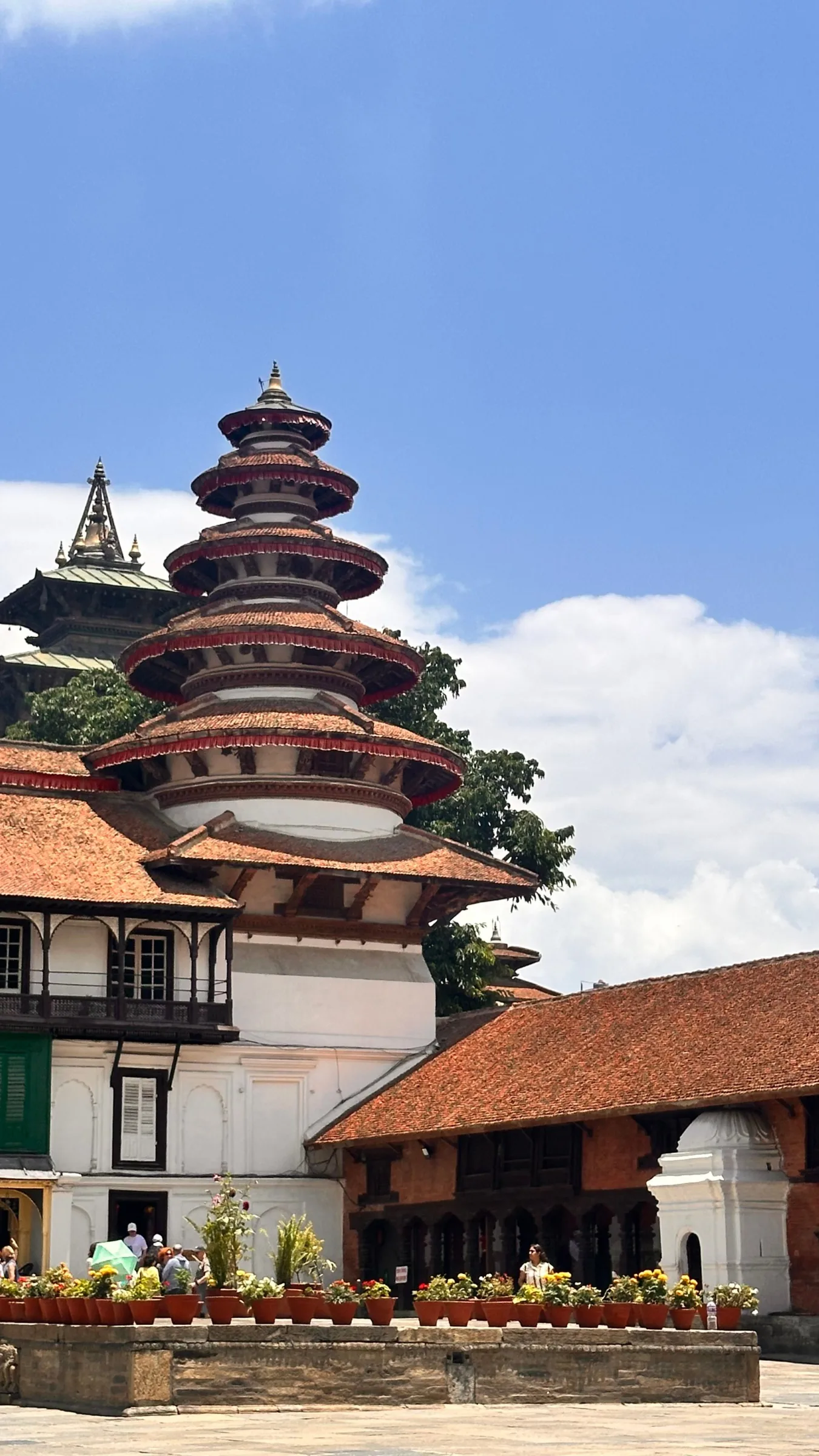
Photo: Ayco World
Kathmandu Durbar Square, also known as Basantapur, served as the royal seat for Nepal's Malla and Shah kings. Its stunning temples, palaces, courtyards, and the Kumari Ghar (house of the living goddess) make it a living museum of Newari architecture. Many of its temples were damaged in the 2015 earthquake, but restoration continues and the square remains one of Kathmandu's most iconic destinations.
Why Visit: Visit Hanuman Dhoka Palace and the house of the Kumari, and explore the courtyards and ancient temples at the heart of old Kathmandu.
3. Pashupatinath Temple
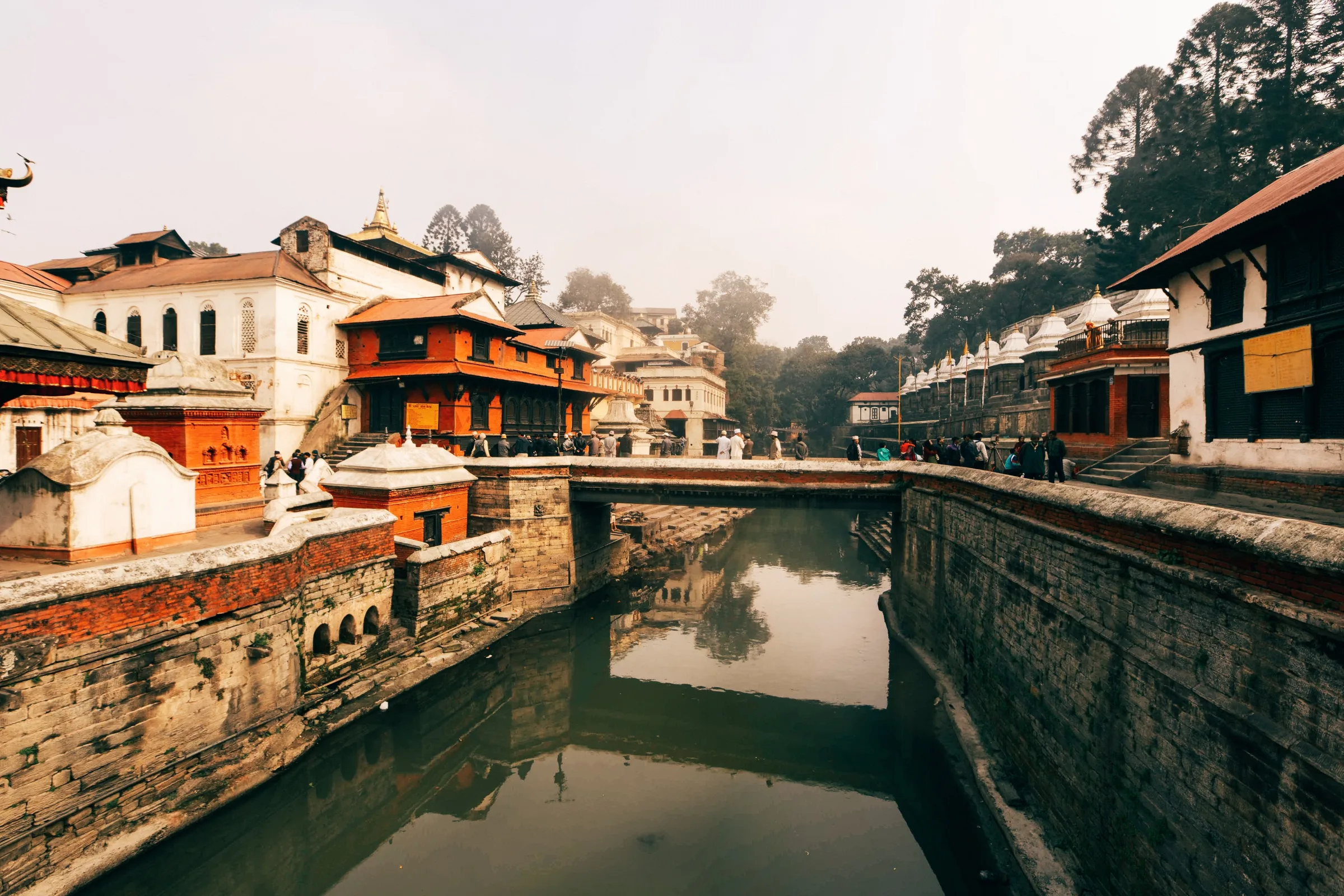
Photo: Mehmet Turgut Kirkgoz
Pashupatinath Temple stands as Nepal's most sacred Hindu shrine, located along the banks of the sacred Bagmati River. Its golden roofs, silver doors, and intricate wood carvings draw devotees and photographers alike. The temple's present form dates largely to the late 17th century. The temple complex is also famous for the evening aarti ceremony, when lamps float and chanting echoes across the river. Non-Hindus cannot enter the main sanctum, but the surrounding courtyards, ghats, and open-air cremation platforms along the river offer a profound and moving glimpse into living Hindu culture.
Why Visit: Witness the evening aarti, observe the cremation ghats, and explore the extensive temple complex filled with shrines and statues.
4. Boudhanath Stupa
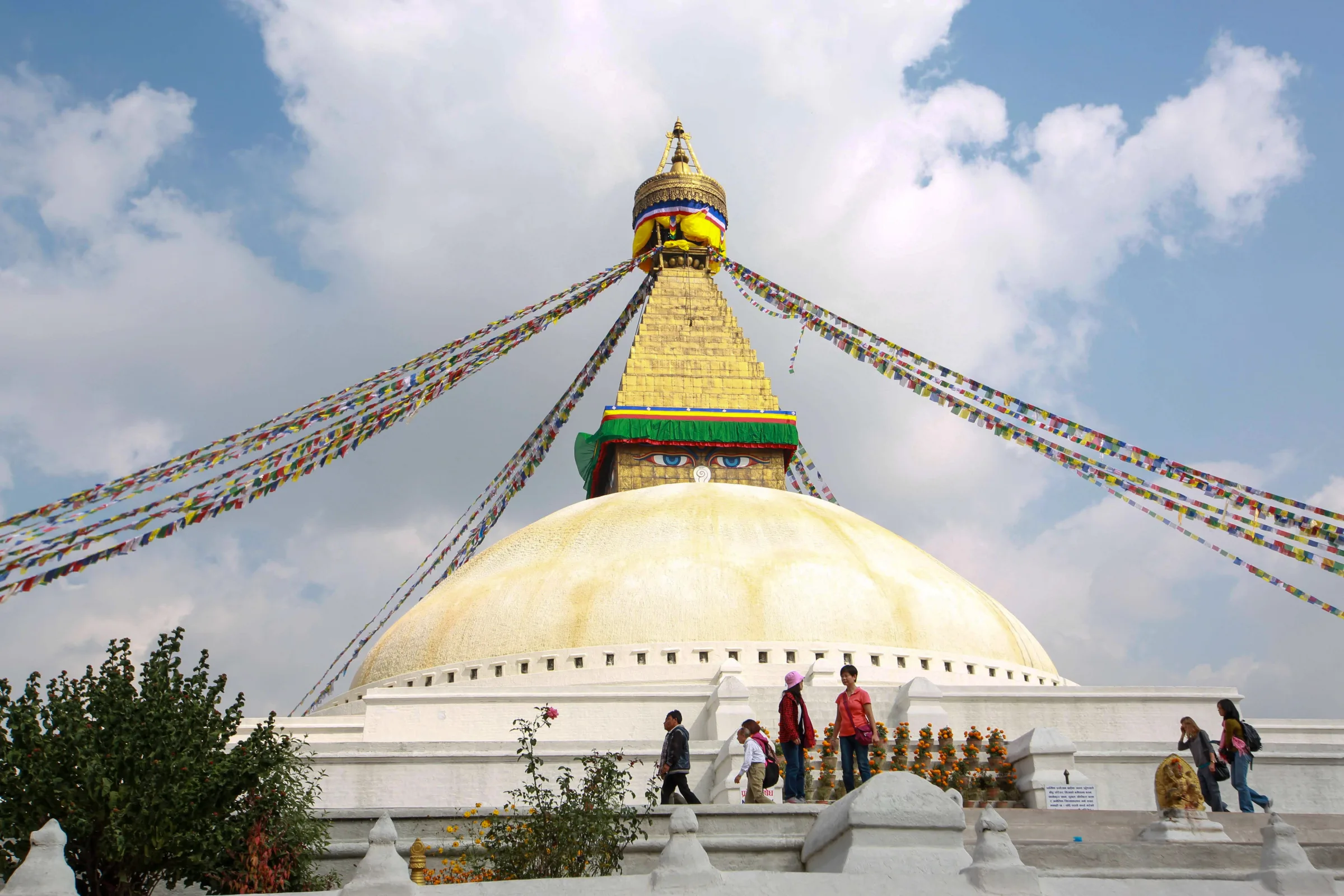
Photo: Mehmet Turgut Kirkgoz
Boudhanath Stupa is one of the largest spherical Buddhist stupas in the world. Located in the bustling northeastern part of the city, its white dome and painted eyes watch over the surrounding Tibetan community. Visitors can walk kora around the stupa, visit the nearby monasteries, and enjoy rooftop cafes. After the 2015 earthquake, it was fully restored and reopened in November 2016.
Why Visit: Walk kora around the stupa beneath the prayer flags, visit nearby monasteries, and take in the view from a rooftop cafe.
5. Patan Durbar Square
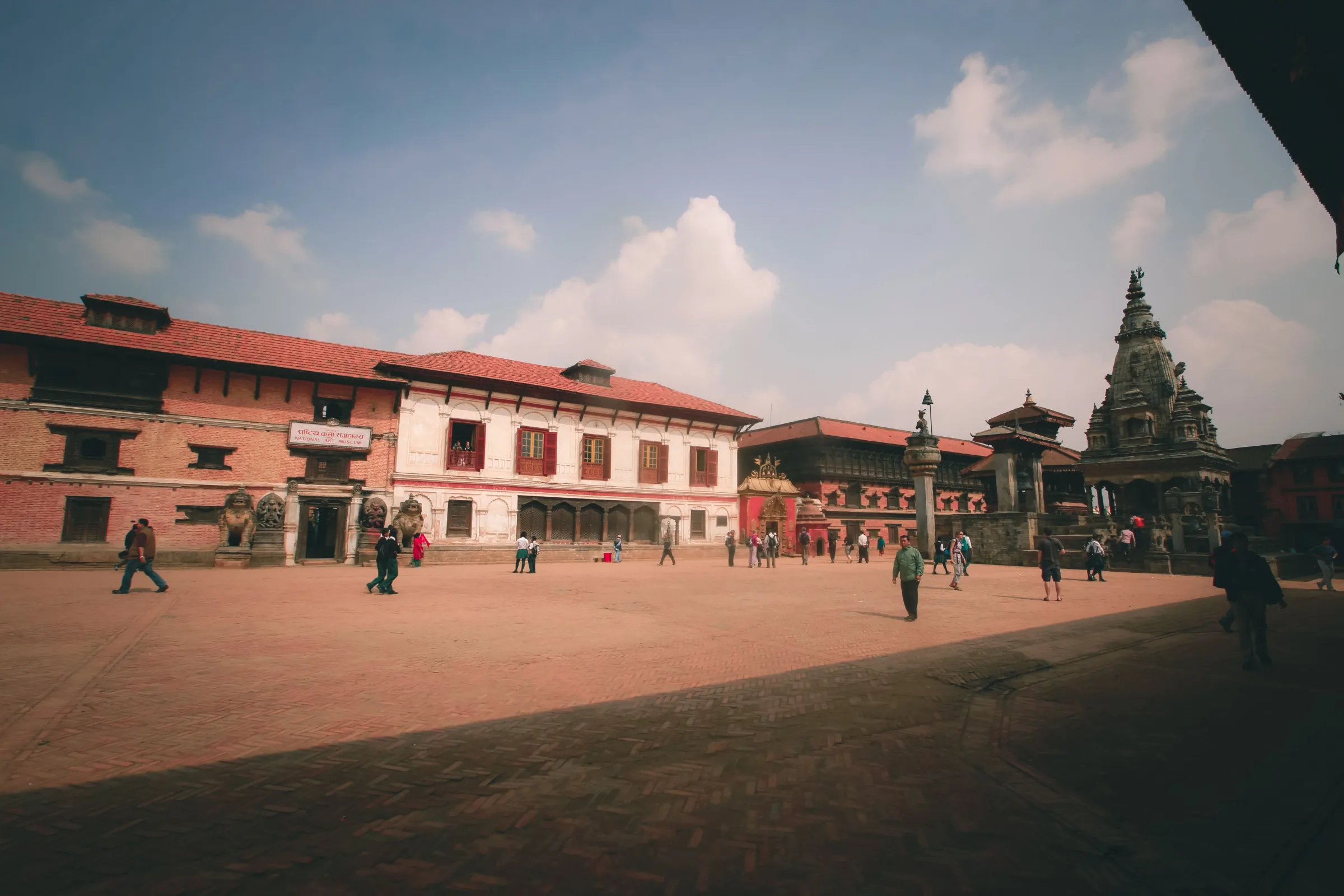
Photo: Mehmet Turgut Kirkgoz
Located south across the Bagmati River in the ancient city of Lalitpur, Patan Durbar Square showcases exquisite Newari architecture. Its attractions include the Krishna Mandir, the Patan Museum, and the nearby Hiranya Varna Mahavihar (Golden Temple). The square is celebrated for its intricate craftsmanship and vibrant streets, which are home to artisans and local markets.
Why Visit: Explore the Patan Museum, visit the Golden Temple, and discover the bustling markets and artisan workshops of Lalitpur.
6. Thamel
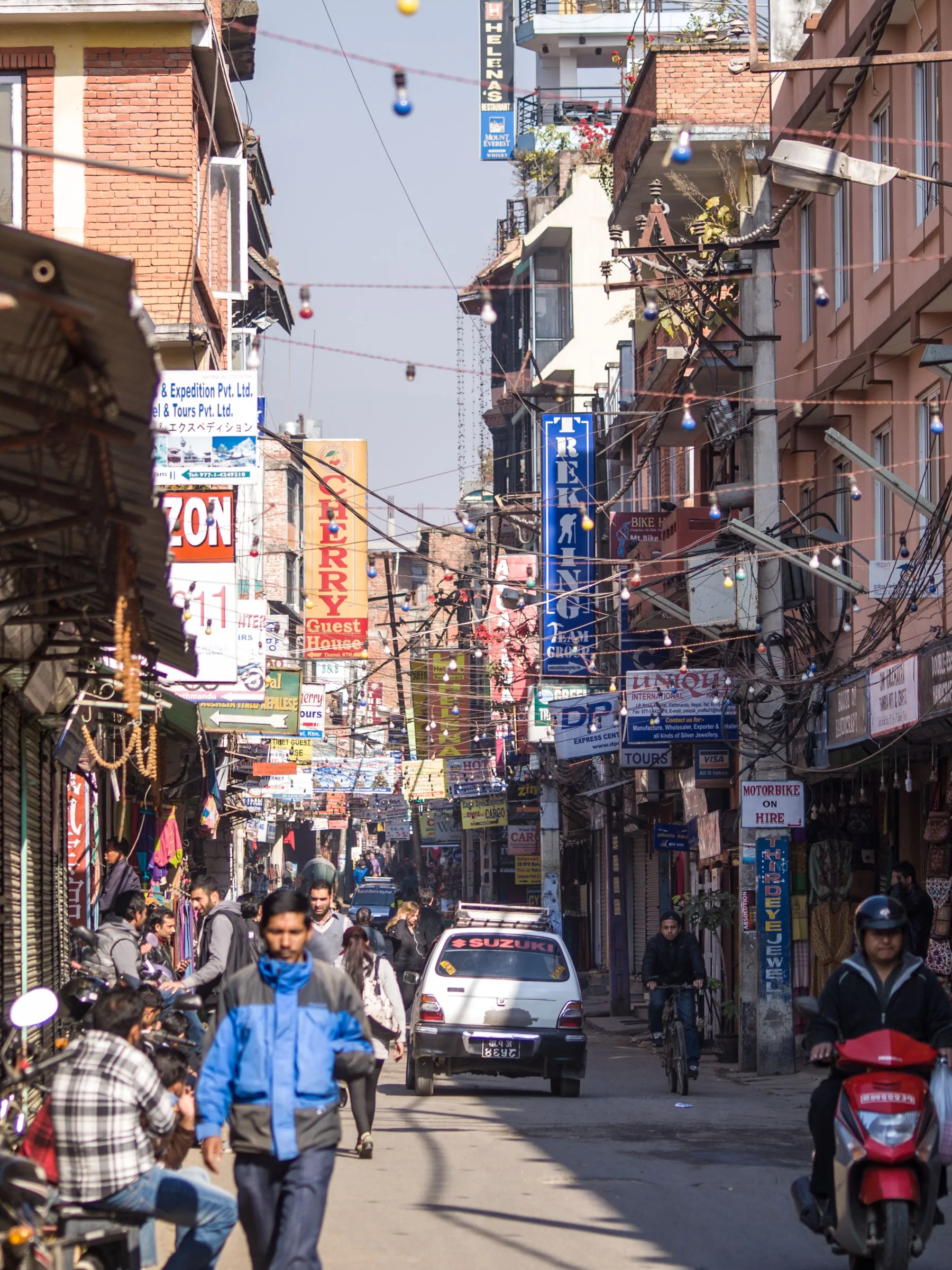
Photo: Alix Lee
Thamel is Kathmandu's main tourist district, a compact maze of narrow lanes packed with hotels, restaurants, rooftop bars, bookshops, trekking outfitters, and handicraft stores. It grew into the city's traveler hub in the 1970s, when it became a stop on the overland hippie trail, and today it remains the first stop for most visitors. By day it is the best place in the city to arrange a trek, buy gear, or browse pashminas and thangkas; after dark its live-music bars and restaurants keep the streets busy. Thamel is also a convenient base: the Garden of Dreams and Kathmandu Durbar Square are both a short walk away.
Why Visit: Shop for trekking gear and handicrafts, arrange tours and transport, and enjoy the liveliest food and music scene in the city.
7. Garden of Dreams
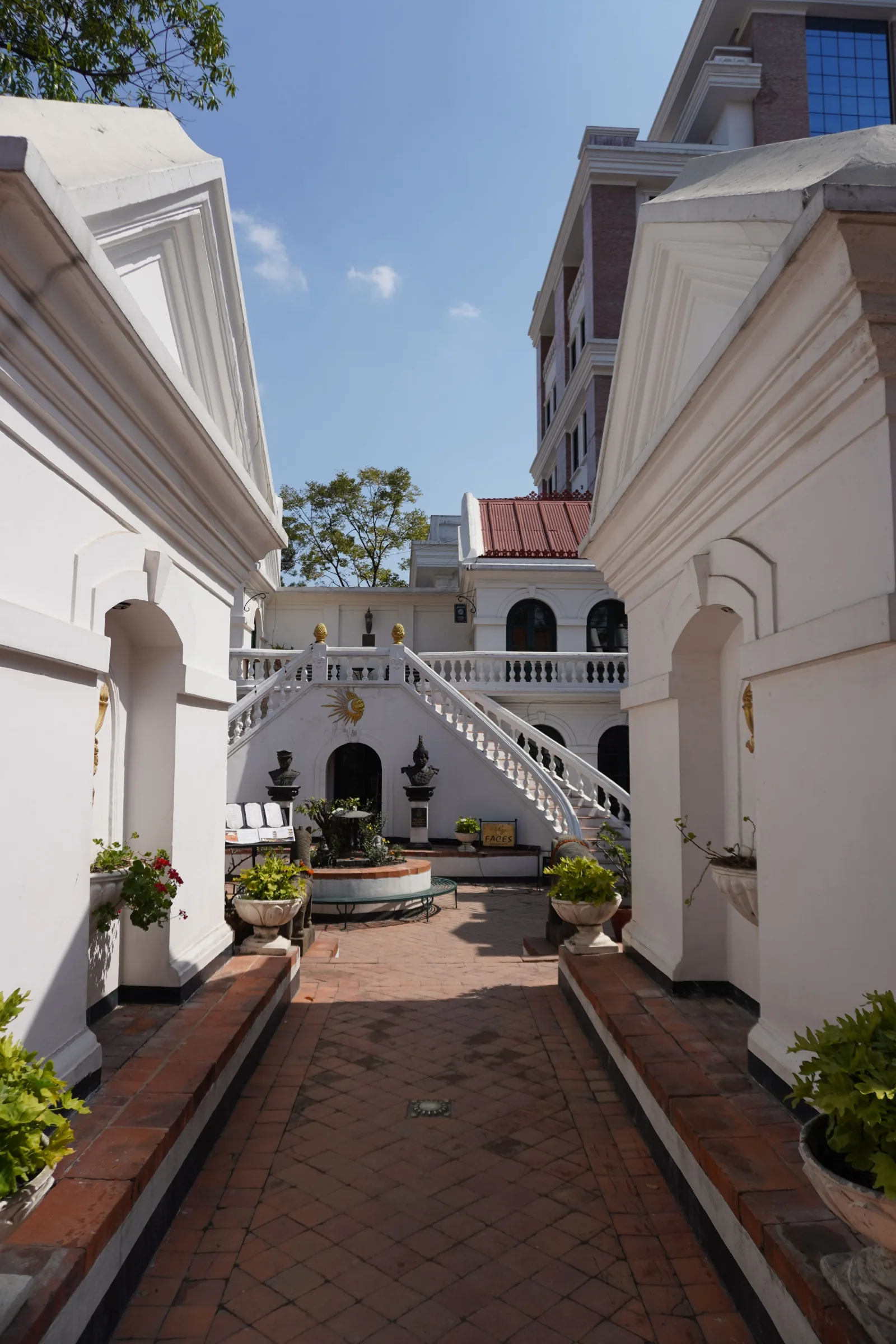
Photo: Saugat Shrestha
The Garden of Dreams is a peaceful neoclassical garden tucked just outside the bustling entrance of Thamel. Built by Kaiser Shumsher Rana in the early 20th century, the garden features lawns, ponds, pergolas, and pavilions. It offers a perfect place to relax, read, and unwind after a busy day. Since reopening to the public, the garden has become a favorite spot for both tourists and local families.
Why Visit: Relax among its beautiful gardens and enjoy quiet time; ideal for photos and peaceful strolls.
8. Kopan Monastery
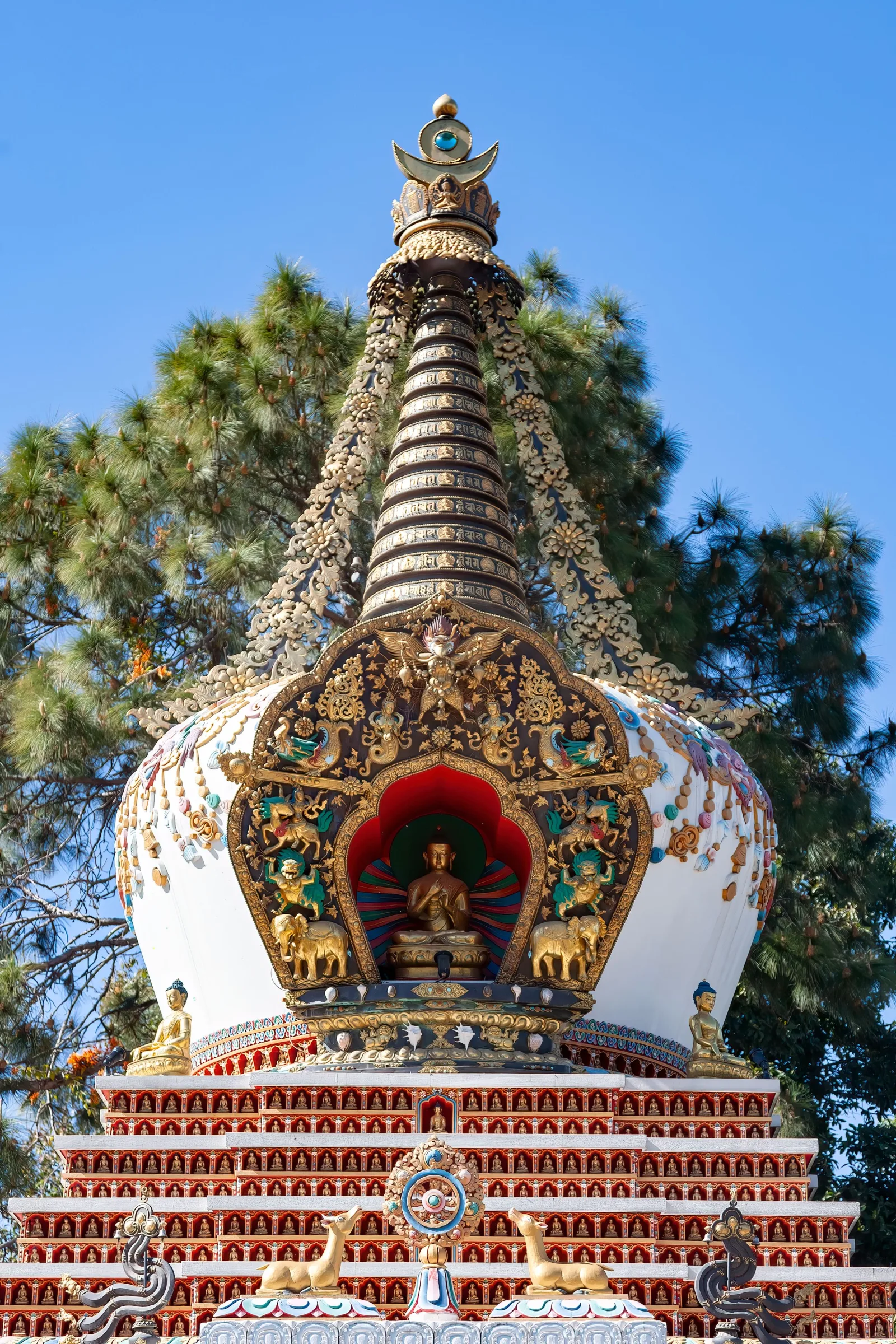
Photo: Erwan Grey
Kopan Monastery sits atop a pleasant hill just north of Boudhanath. Established in the Tibetan Gelug tradition by Lama Thubten Yeshe and Lama Zopa Rinpoche, it is a center for Buddhist education and meditation. Visitors can take part in meditation courses, explore the beautiful gardens and prayer halls, and attend the public talks by monks. The panoramic views from the monastery are an added bonus.
Why Visit: Attend meditation retreats and public talks, stroll through lush gardens, and look out over the valley.
9. Chandragiri Hills
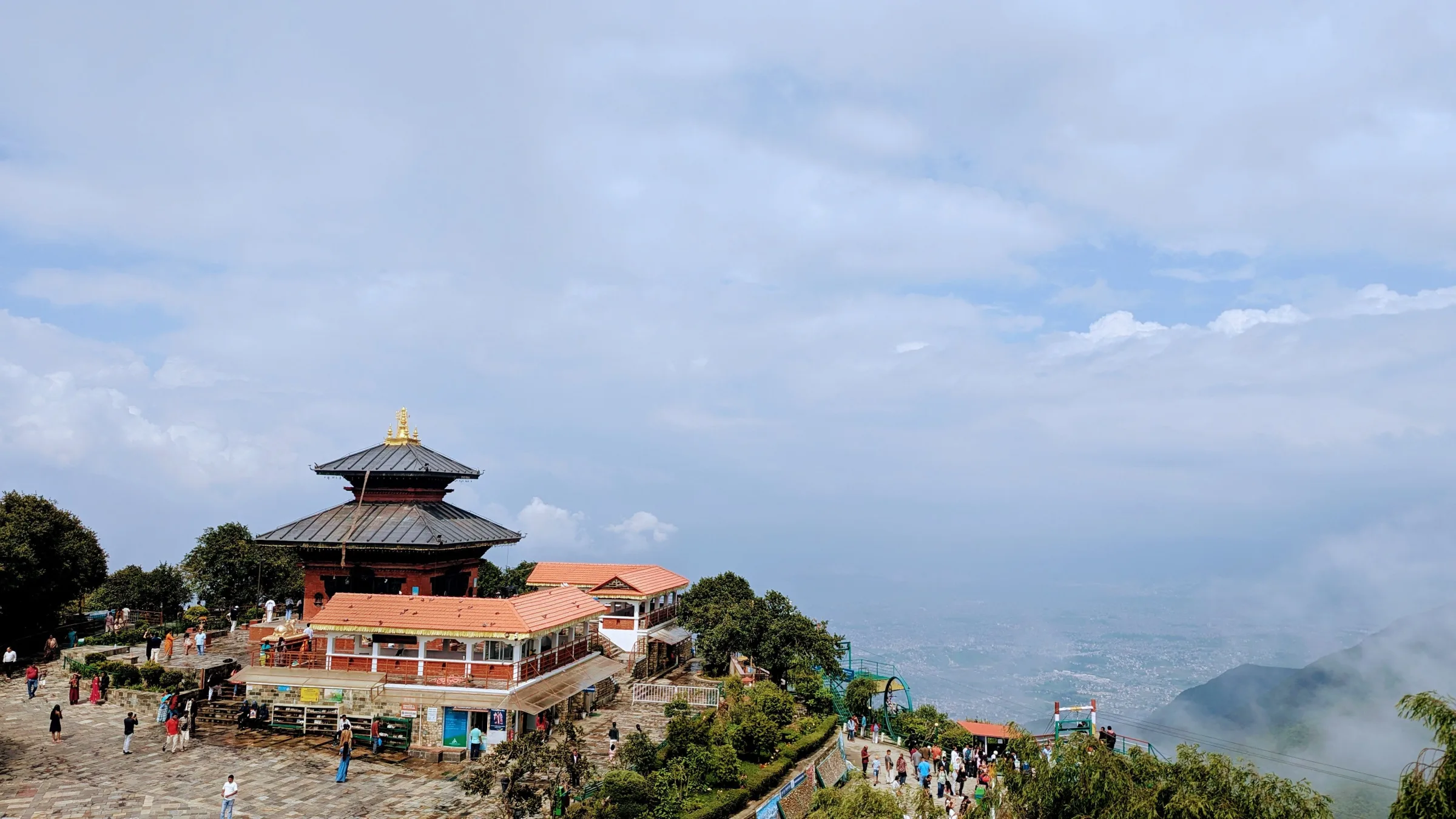
Photo: Shawn Nir
Chandragiri Hills rises to 2,551 meters on the southwestern edge of Kathmandu Valley. A modern cable car transports visitors to the summit, where panoramic views of the Himalayas stretch from Annapurna to Everest. The hilltop includes a viewing tower, Bhaleshwor Mahadev Temple, and a children's play area. It is especially beautiful at sunrise and during the cooler months, when the clouds clear.
Why Visit: Ride the cable car, enjoy panoramic views of the Himalaya, and visit the temple and viewing tower.
10. Shivapuri Nagarjun National Park
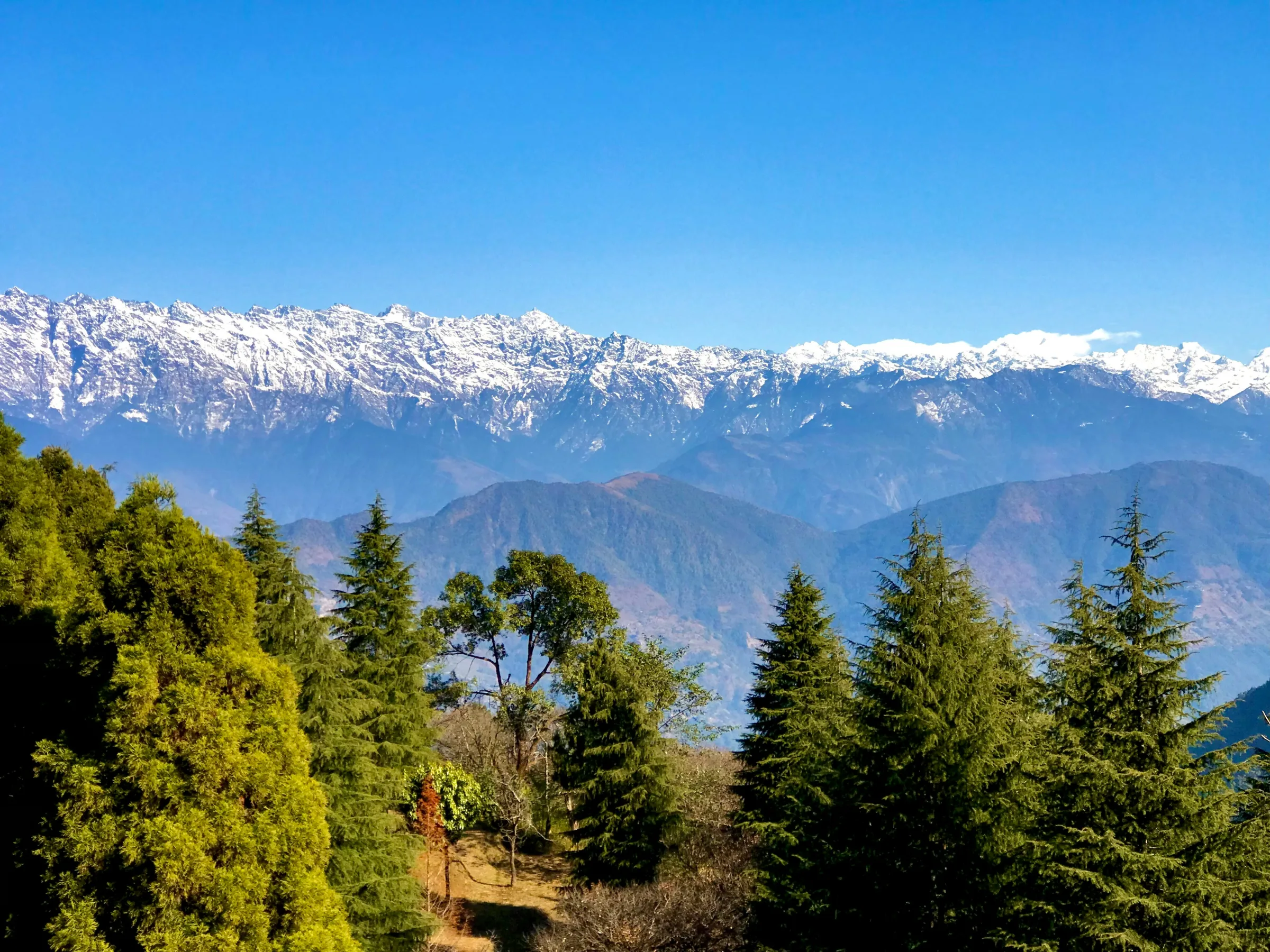
Photo: Chandan Chaurasia
Shivapuri Nagarjun National Park forms the northern rim of the valley and supplies much of the city's fresh water. Covering more than 159 square kilometers, it protects a watershed rich in birdlife, wildlife, and lush forests. Visitors can hike to the summit of Shivapuri peak (2,732 meters) for panoramic views of the Himalayas and enjoy peaceful trails with minimal crowds.
Why Visit: Perfect for nature lovers and hikers, visit Baghdwar, the source of the Bagmati River, and enjoy the reserve's quiet forest trails.
11. Bhaktapur Durbar Square
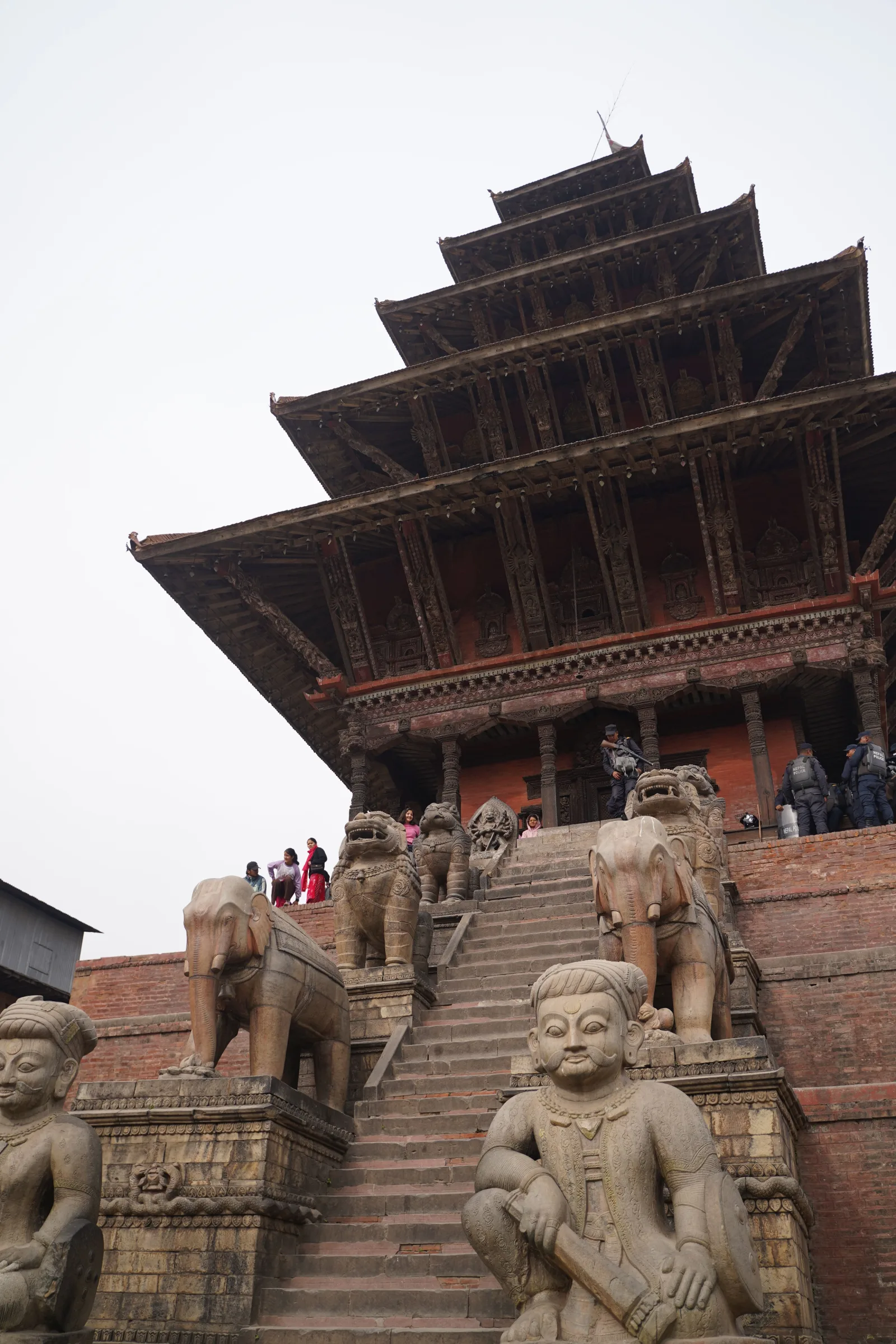
Photo: Sushant Bista
Bhaktapur sits twelve kilometers east of central Kathmandu and feels like an open-air medieval museum. In Bhaktapur Durbar Square you can explore the 55-Window Palace, the massive Nyatapola Temple with its five tiers, and the exquisite Vatsala Temple. The surrounding streets are lined with traditional wooden houses and pottery workshops where clay pots are still made by hand.
Why Visit: Explore the 55-Window Palace and Nyatapola Temple, and watch pottery being made in the local workshops.
12. Kirtipur
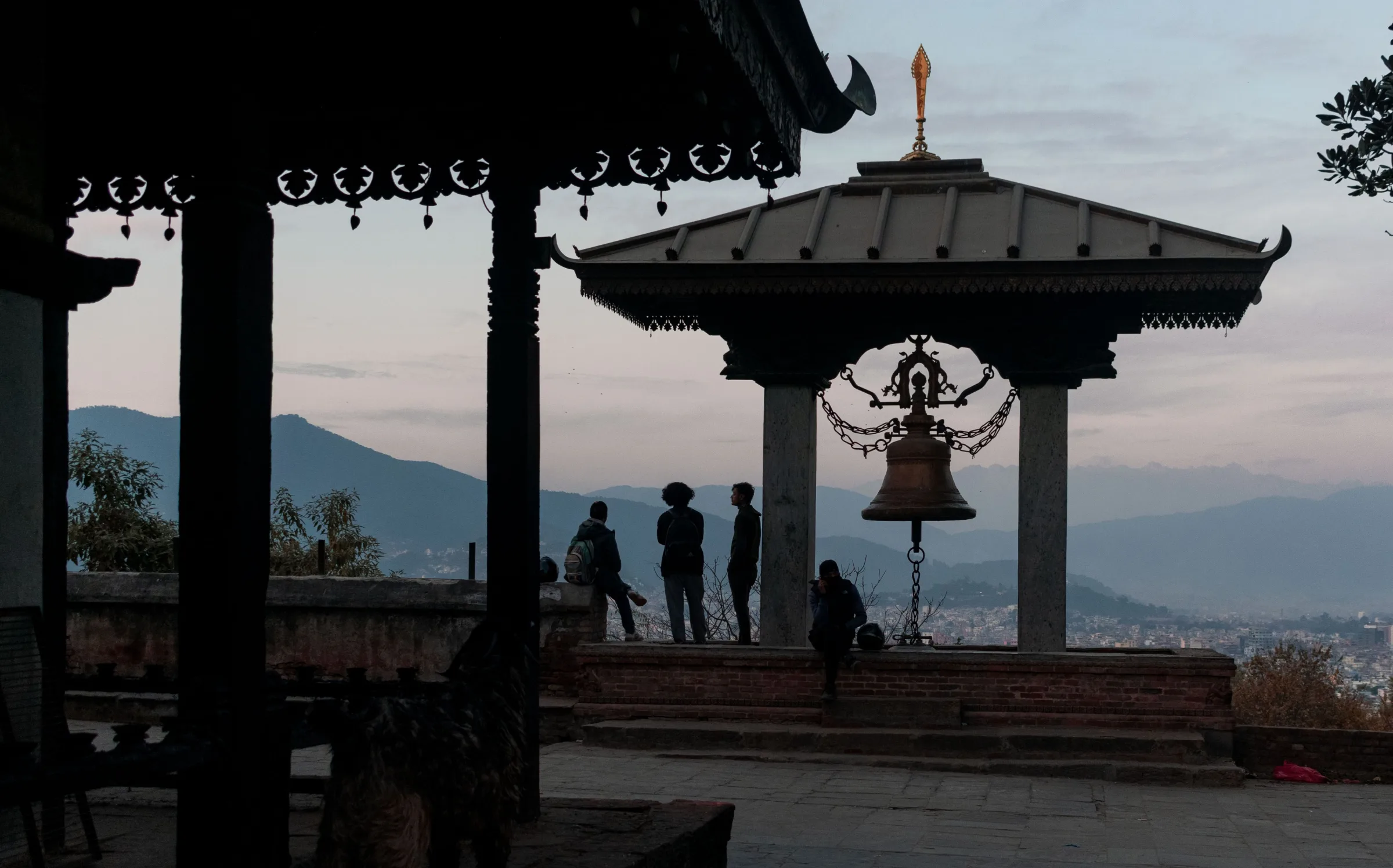
Photo: Berangi Prasanna
Kirtipur is a historic Newari hilltop settlement located five kilometers southwest of Kathmandu. The town's narrow lanes are lined with traditional houses, and the local temples, such as Bagh Bhairav, Uma Maheshwor, and Balkumari, offer stunning views of the surrounding hills. Despite its growing student population, Kirtipur remains a peaceful and atmospheric destination away from the chaos of Kathmandu.
Why Visit: Explore its ancient temples and take a walk through quiet, historic streets above the valley.
13. Dakshinkali Temple
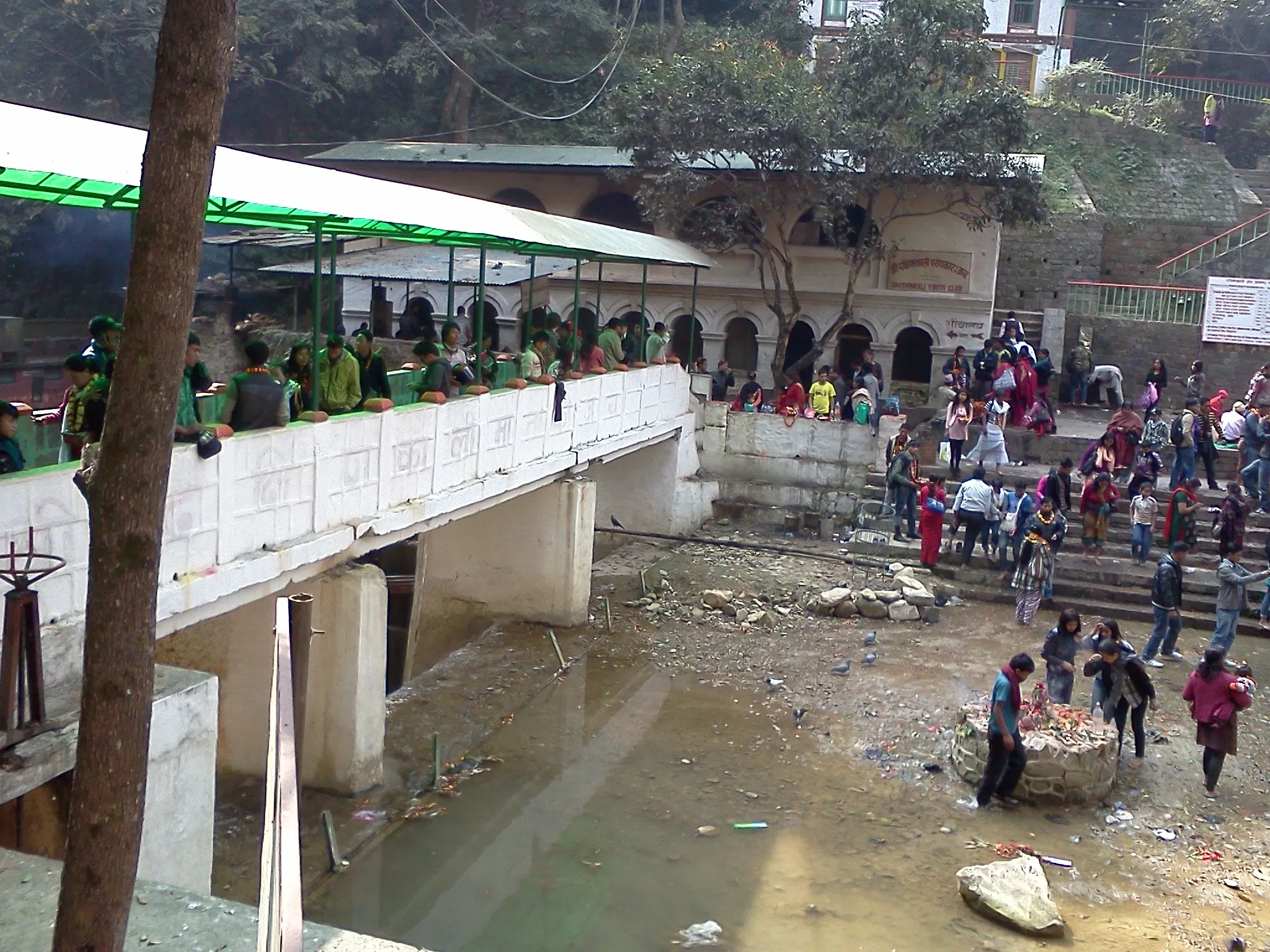
Photo: Saroj Kumar Dhakal
Dakshinkali Temple is a Hindu temple dedicated to the goddess Kali, set in a forested valley about 22 kilometres south of central Kathmandu, near the town of Pharping. It is one of Nepal's most important Shakti shrines and draws large crowds of devotees, especially on Saturdays and during the Dashain festival. The temple sits beside a stream in a wooded gorge, and the walk down through the forest is part of the visit. It pairs naturally with a trip to Pharping, a short drive away.
Why Visit: Experience one of Nepal's most important goddess shrines in a peaceful forest setting, and combine the trip with Pharping.
14. Pharping
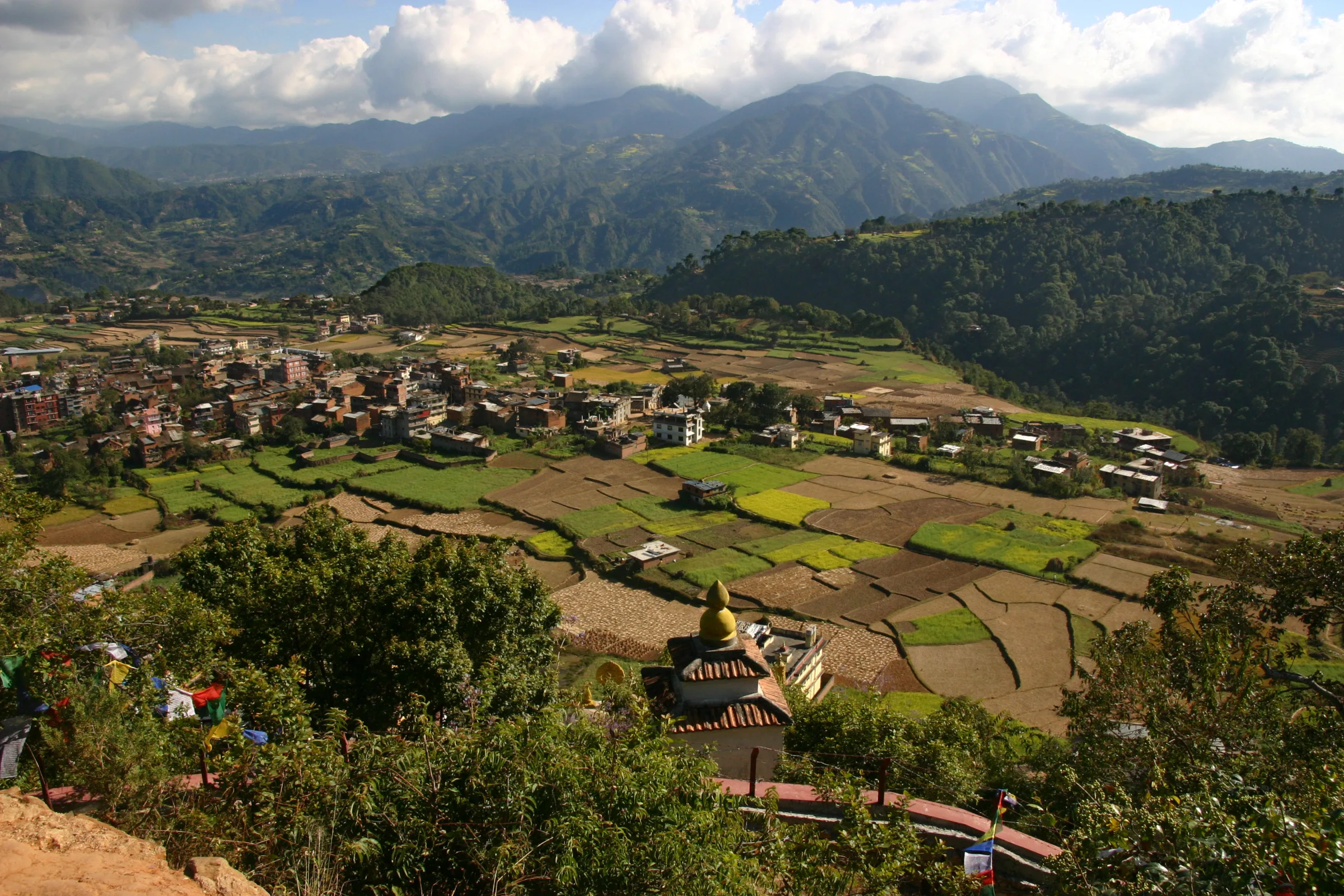
Photo: Gerd Eichmann
Pharping is a small town on the southern edge of the Kathmandu Valley, sacred to both Hindus and Buddhists. It is known for its monasteries and meditation caves, including the Asura Cave, where Guru Rinpoche is said to have meditated, and for the Dakshinkali Temple nearby. Pilgrims walk between its monasteries and shrines, and the town's quiet lanes, prayer flags, and valley views make it a peaceful day trip from the city.
Why Visit: Visit the monasteries and the Asura Cave, and enjoy the calm, sacred atmosphere of a valley-edge town.
15. Nagarkot
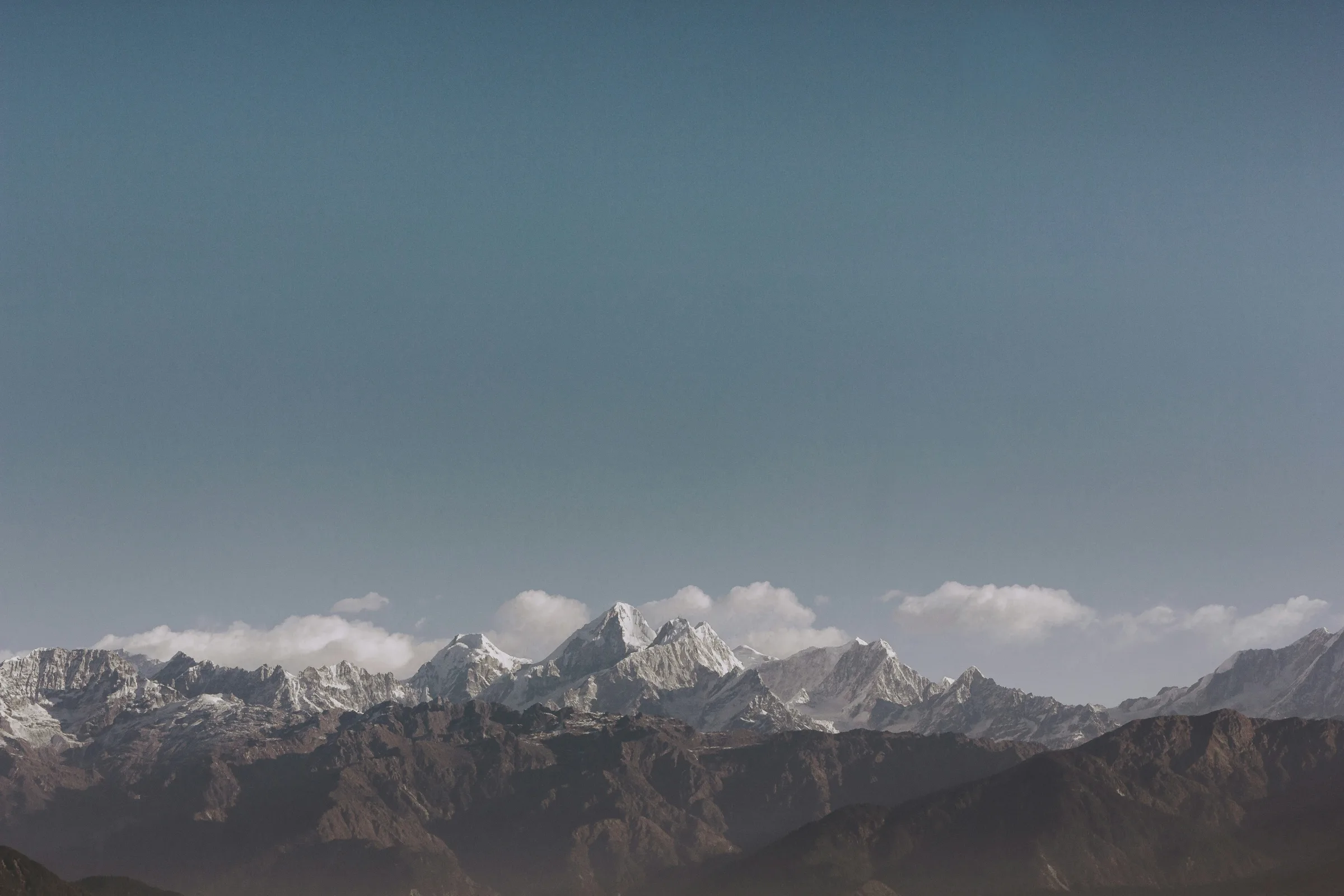
Photo: Rishab Lamichhane
Nagarkot is a hill resort town about 32 kilometres east of Kathmandu, in Bhaktapur District, set on a ridge 2,195 metres above sea level. It is famous for its sunrise and sunset views over the Himalaya: on a clear morning the panorama stretches from the Annapurna range in the west to Mount Everest in the east. It is a popular overnight escape from the city, with hotels and lodges strung along the ridge. Arrive in the afternoon, watch the sunset, and rise early for the sunrise.
Why Visit: Watch the sun rise over the Himalaya, stay overnight for the clearest morning views, and escape the city for a night on the ridge.
Planning Your Visit
A successful trip around Kathmandu requires a bit of practical planning regarding transport, timing, and cultural etiquette.
Best Time of Year to Visit
The best seasons to visit Kathmandu are autumn (October through November) and spring (March through May). During these months the weather is mild and the skies are usually clear, giving the best mountain views. Winter (December to February) is colder but still pleasant, while the monsoon (June to September) brings rain and haze.
Getting Around the Valley
Kathmandu offers several practical transport choices:
- Ride-sharing applications like Pathao and inDrive provide fair, upfront pricing for motorcycles and cars.
- Metered taxis wait outside major hotels and tourist hubs, but always agree on the meter or a fixed fare before you set off.
- Local buses run across all major ring road corridors, offering an affordable option for budget travellers.
- Walking is the best way to explore older districts like Thamel, Asan, and Patan, where narrow lanes and courtyards reward slow exploration.
Cultural Etiquette and Dress Codes
When visiting active religious sites, dress modestly by covering your shoulders and knees. Always remove your shoes before entering a temple, ask before photographing people or ceremonies, and walk clockwise around stupas.
Frequently Asked Questions
How many days are needed to explore Kathmandu?
Three to four full days allow you to see the main UNESCO World Heritage sites, explore the old market quarters, and fit in a nature escape or a viewpoint.
What is the entry fee for major tourist sites in Kathmandu?
Most major heritage sites charge an entry fee for visitors. Fees vary by site and can change, so check the current rate at the ticket counter or the site's official information before your visit. Some temples and neighbourhoods are free to enter.
Which place in Kathmandu gives the best mountain view?
Chandragiri Hills provides one of the widest panoramic views of the Himalayan range from within the valley, and Nagarkot is famous for its sunrises over the mountains.
Is Kathmandu safe for solo travelers?
Yes, Kathmandu is very welcoming and safe for solo travelers. Local people are friendly and helpful. As in any city, take the usual precautions with valuables and late-night travel.
What should I wear when visiting temples in Kathmandu?
Wear comfortable clothing that covers your shoulders and knees. Slip-on shoes work best because you will remove them before entering temples.
Conclusion
Kathmandu offers an unforgettable journey into living culture, ancient architecture, and scenic natural beauty. From the UNESCO-listed squares of Kathmandu, Patan and Bhaktapur to the quiet trails of Shivapuri and the sunrise ridge of Nagarkot, the valley rewards travellers who take their time. Plan two to four days, mix history with nature, and leave room in your schedule to simply wander the old streets.