Nepal's haunted places are not theme-park attractions. They are real forests, rivers, roads, palaces and mountains that already matter for other reasons — and local people have told ghost stories about them for years. This guide lists seven of the places that appear most often in those stories, in rank order, and separates what is verifiable about each place from what is only legend.
Every haunting story in this article is presented as local legend or as a reported account, never as verified fact. No ghosts have been proven at any of these places. What has been verified is that the places themselves exist, where they are, and the history attached to them. No entry fees, opening hours or prices are given here, because none were verified for this guide.
1. Raniban Forest, Kathmandu
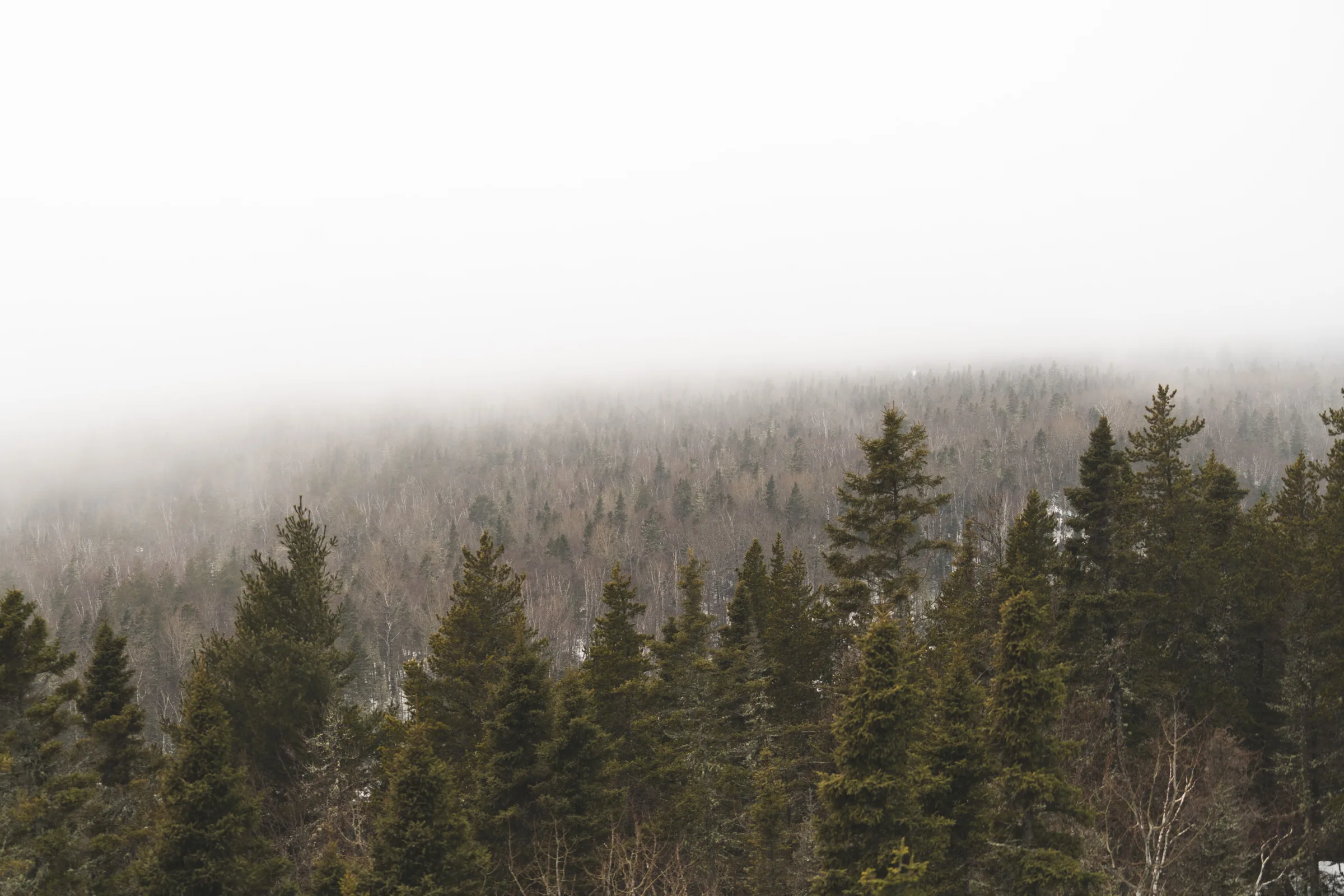
Photo: Jean-Daniel Francoeur
Raniban Forest, whose name means Queen's Forest, stands on the forested Nagarjun hillside at the north-western edge of the Kathmandu Valley, close to the city yet quiet and densely wooded once the tree cover closes in. It is the first place most lists of haunted places in Nepal name, and the one most often described as the country's most haunted forest.
In local legend, the forest is haunted by the spirit of a large old tree, and people tell of voices and footsteps heard there after dark. Visitors are said to feel watched on its paths, and the forest is one place in Kathmandu that locals warn against entering at night. Those accounts are folklore, not verified fact. One point of confusion is worth clearing up: there is also a Raniban in Pokhara, but the haunted forest in these stories is the Kathmandu one, on the Nagarjun ridge. Visit in daylight, stay on established paths, and treat it as a forest walk.
2. Dhapasi Water Tank, Kathmandu
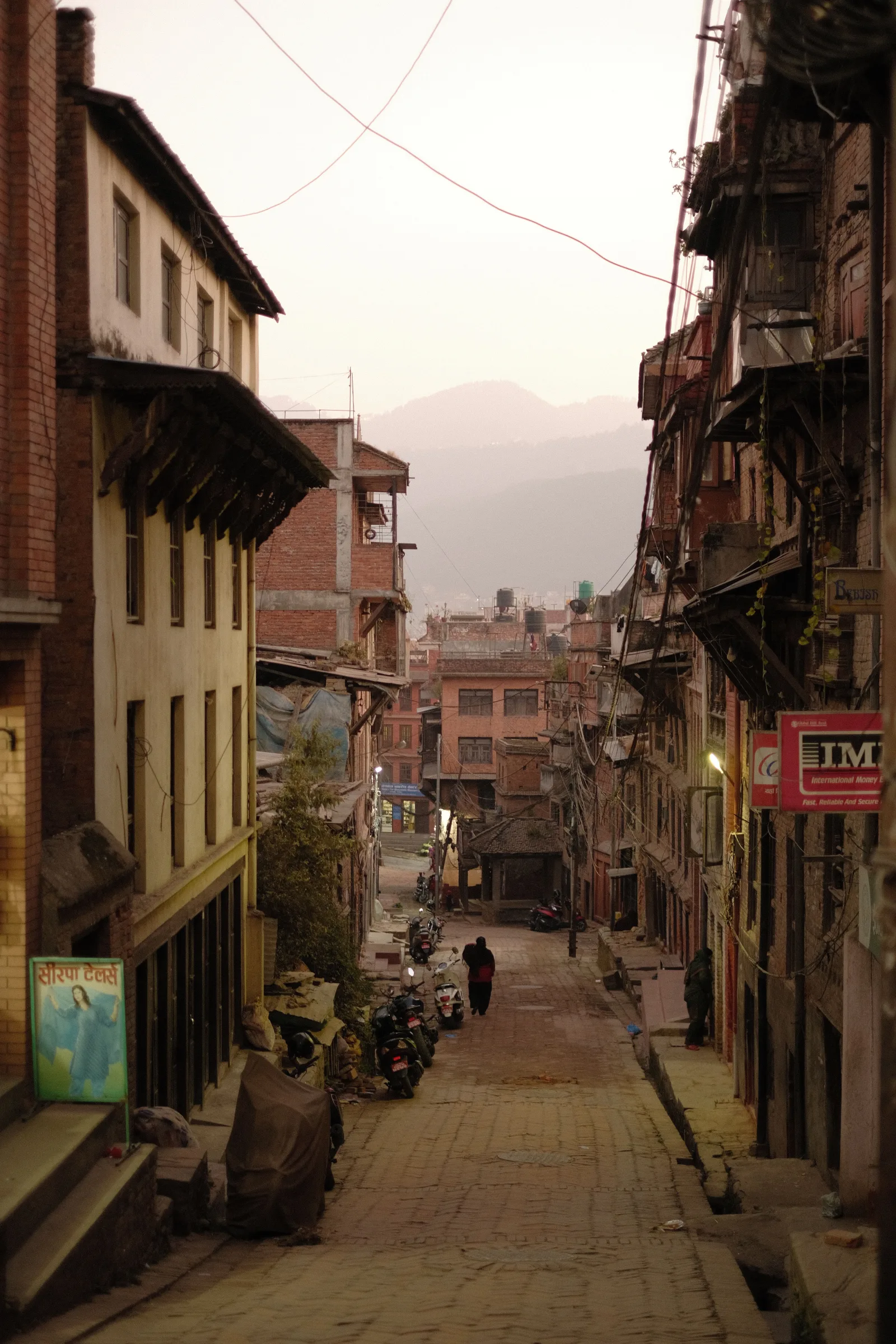
Photo: Ravi Sharma
Dhapasi Water Tank stands in Dhapasi, a neighbourhood of Tokha Municipality in northern Kathmandu. Dhapasi was formerly a village development committee in Kathmandu District and is now part of the Tokha municipal area. The tank itself is an ordinary piece of neighbourhood water infrastructure — and, in local legend, one of Kathmandu's most haunted spots.
According to the legend, a ghostly figure is seen near the tank at night, and the story told about it is a dark one: a woman is said to have been killed and her body thrown into the water. That account is folklore, not verified fact, and no part of it should be read as history. The Dhapasi story is a good example of how an everyday place in Kathmandu acquires a ghost story in local telling, and why the tank appears in almost every list of haunted places in Nepal.
3. Devghat, Tanahun
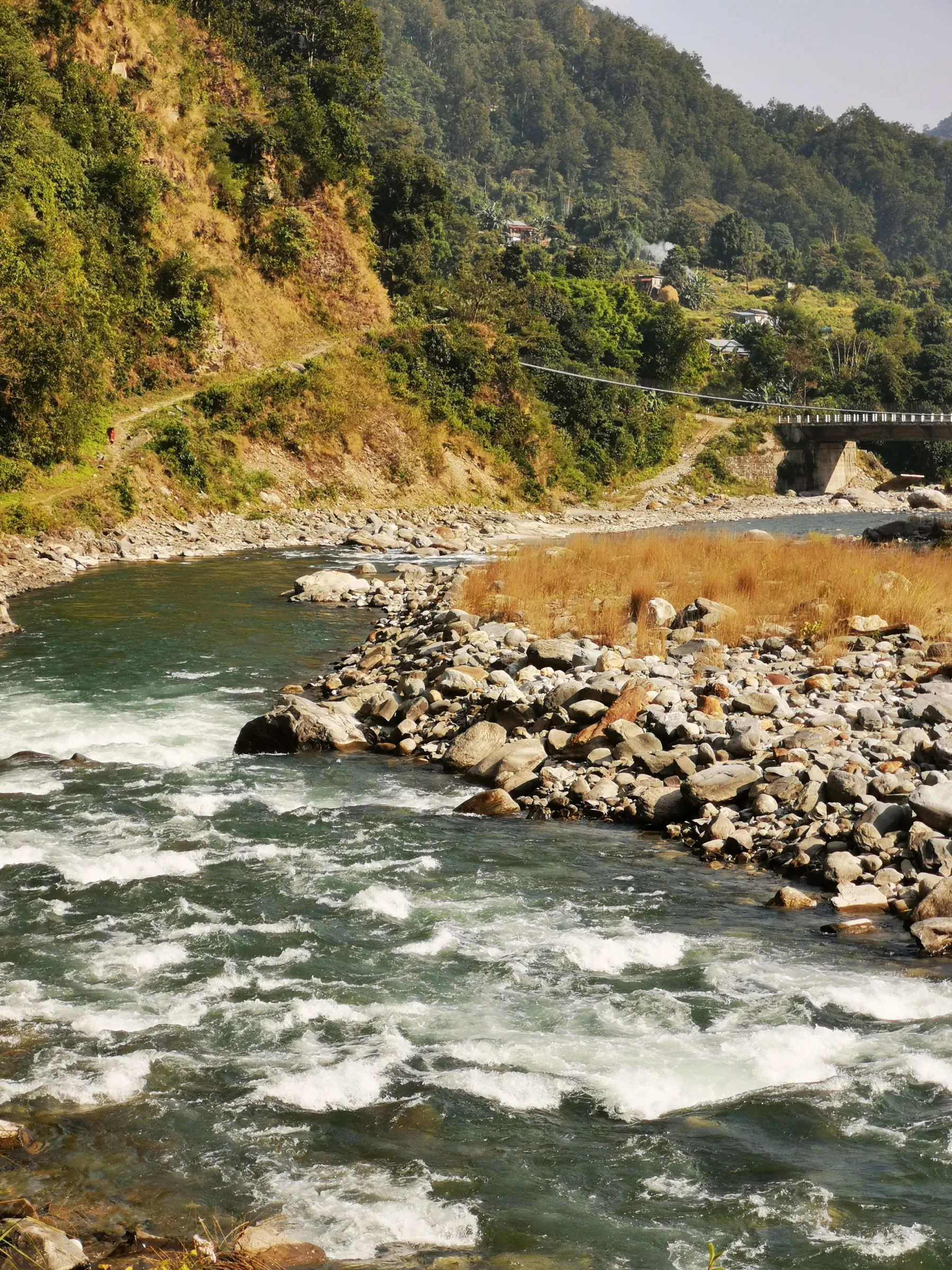
Photo: Adish Ghimire
Devghat is a sacred Hindu pilgrimage site at the confluence of the Kali Gandaki and Trishuli rivers, about five kilometres north-west of Narayanghat. Elderly devotees move to its ashrams to spend their final years in prayer, and it is also a cremation ground. Its religious significance is real and long-standing.
That same significance is the source of its ghost stories. In local legend, the spirits of the dead are said to linger near the riverbanks at night, and Devghat is counted among Nepal's haunted places for that reason. Those accounts are folklore, not verified fact. Anyone visiting should remember that this is an active place of worship and mourning, and behave accordingly. The photograph above is a representative view of a river valley in Gandaki Province, not the confluence itself.
4. Mount Everest, Solukhumbu
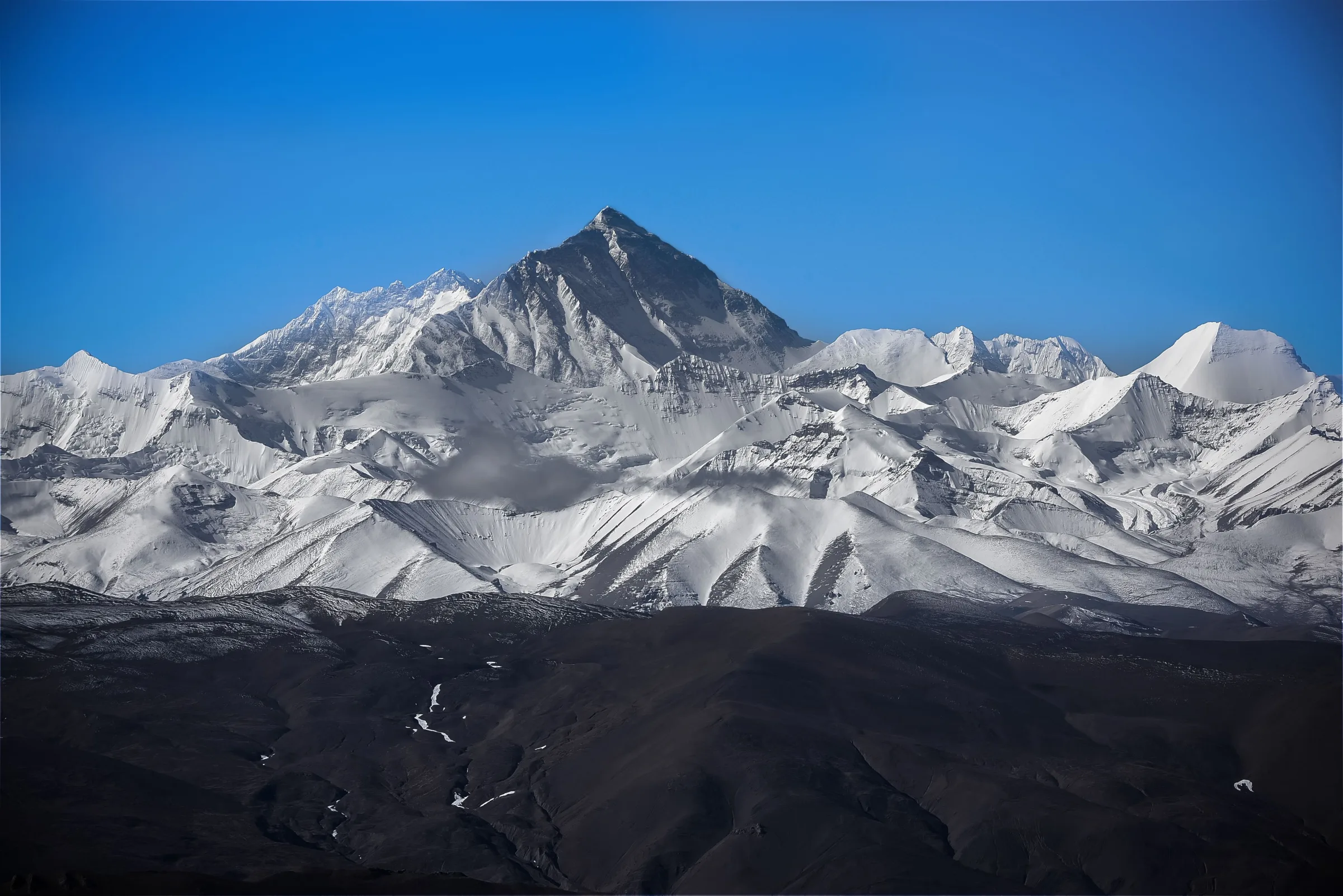
Photo: zhou shen
Mount Everest, known in Nepali as Sagarmatha and in Tibetan as Chomolungma, is the world's highest mountain, at 8,848.86 metres above sea level, on the border between Nepal and China. It lies in Sagarmatha National Park in Solukhumbu District and is the centre of Nepal's trekking and mountaineering industry. More than 300 climbers have died on its slopes.
Everest also carries a sombre reputation in climbers' lore. The best-known story concerns George Mallory and Andrew Irvine, who disappeared on 8 June 1924 during an attempt on the summit; Mallory's body was found in 1999, and Irvine's remains were identified in 2024. Climbers have reported seeing the ghosts of those who never came down, and in local telling the mountain is haunted by them. Those reported sightings are folklore, not verified fact. The mountain's real danger is the altitude, the weather and the climbing itself.
5. Narayanhiti Palace Museum, Kathmandu
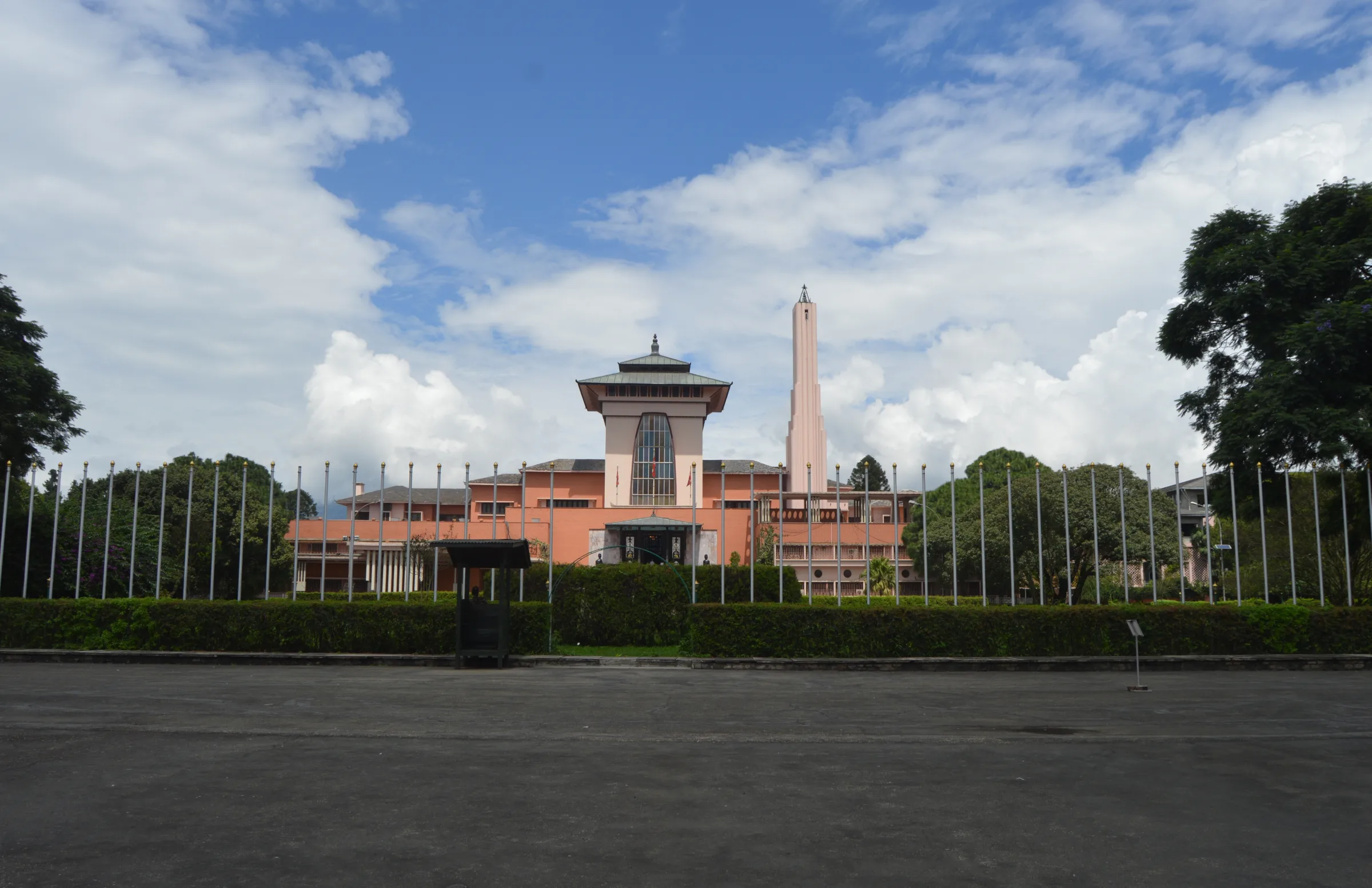
Photo: Suraj Belbase
Narayanhiti Palace Museum was the home of Nepal's Shah kings, standing at the eastern end of Durbar Marg in central Kathmandu. After the end of the monarchy in 2008, the palace was opened as a museum, preserving its state rooms, throne hall and the belongings of the royal family.
The building is best known for the events of 1 June 2001, when members of the royal family were killed there — one of the most shocking events in Nepal's modern history. In local legend, the palace is also said to be haunted, with reports of unexplained sounds and figures in its corridors, and it is commonly listed among Nepal's haunted places. Those accounts are folklore, not verified fact. The museum itself is a place of history, and the massacre is the real reason the palace feels haunted to many visitors.
6. Mugling-Narayanghat Road, Chitwan
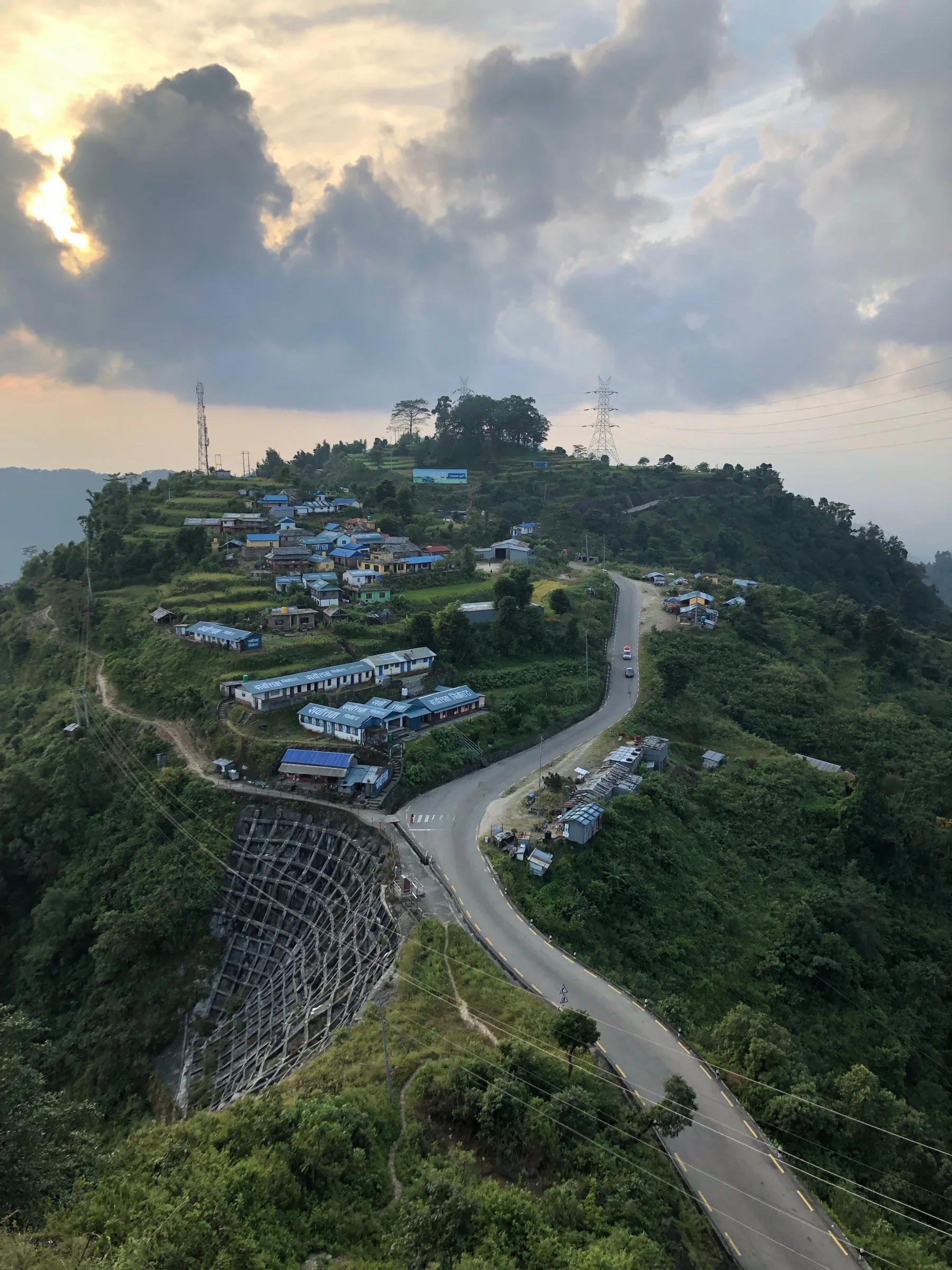
Photo: Prabin Sunar
Mugling-Narayanghat Road is a section of the Prithvi Highway, the main highway linking Kathmandu with Pokhara and western Nepal. It follows the Trishuli River through steep, narrow hills and is one of the country's busiest roads. It is also well known for traffic accidents and for landslides, particularly during the monsoon; the road was closed for days at a time by landslides in 2024.
In local legend, the road is said to be haunted: drivers and travellers tell stories of ghostly figures on the road at night and of vehicles forced off the road by unseen hands. Those accounts are folklore, not verified fact. The road's real danger comes from its narrow bends, falling rock and heavy traffic, and it should be travelled in daylight and in good weather where possible.
7. Sundarijal, Kathmandu
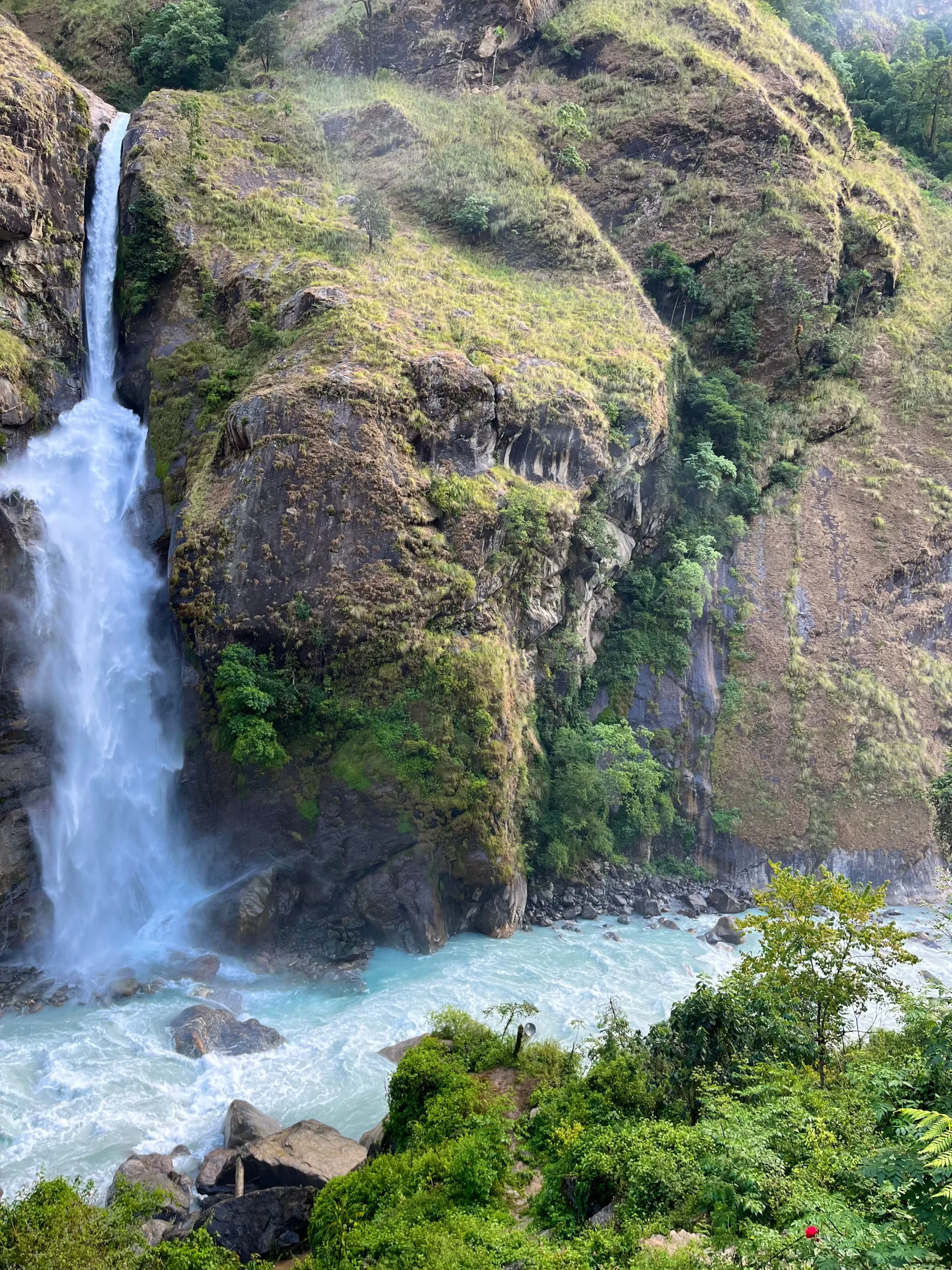
Photo: Prabin Sunar
Sundarijal is a forested valley at the north-eastern edge of Kathmandu, in Gokarneshwor Municipality, at the southern edge of Shivapuri Nagarjun National Park. It is where the Bagmati River has its source and where the water supply for Kathmandu begins; Nepal's second hydroelectric plant was built there in 1935. It is also the starting point for treks into the Shivapuri hills.
In local legend, Sundarijal is also counted among Nepal's haunted places: stories told about the valley speak of strange sounds and sightings on its forest paths after dark. Those accounts are folklore, not verified fact. The valley's waterfalls, river and forest trails are its real attractions. Keep to the paths, and leave before dark. The photograph above is a representative view of a waterfall in Nepal, not Sundarijal's own falls.
A note on visiting these places
Most of these places are ordinary, working places — a forest, a water tank, a pilgrimage site, a highway, a museum, a mountain and a valley. Do not trespass, do not enter forests or cremation grounds at night, and do not treat a place of worship or mourning as a thrill. If a place has an entry fee, opening hours or a permit requirement, check it with the place itself before you go; this guide does not state any, because none were verified for it.
Sources
Nepal Tourism Board; Narayanhiti Palace Museum; Gokarneshwor Municipality; The Kathmandu Post; BBC News; Encyclopaedia Britannica; Hop Nepal; Tusk Travel; TravelTriangle; Travelogy India; Haunted Places; Shanker Hotel; Pexels; Wikimedia Commons.