Kathmandu is famous for its temples and old towns, but the valley's green side is just as remarkable. Ringed by forested hills, the city is minutes from a national park, a botanical garden, hill stations, lakes and waterfalls. This guide ranks the 15 best natural places in and around Kathmandu, from the wilderness of Shivapuri to the quiet water of Taudaha Lake.
Kathmandu Valley sits in a bowl of hills, and almost every rim of that bowl holds a forest, a viewpoint or a trail. The places below are chosen for their natural character: parks, gardens, forests, hills, lakes and waterfalls, rather than temples or old towns. Some need a full day and sturdy shoes, others are a gentle walk from the city centre, and several can be combined into one trip, such as Godawari and Phulchoki, or Sundarijal and Chisapani. All of them show a different side of the valley from the one most visitors see.
1. Shivapuri Nagarjun National Park
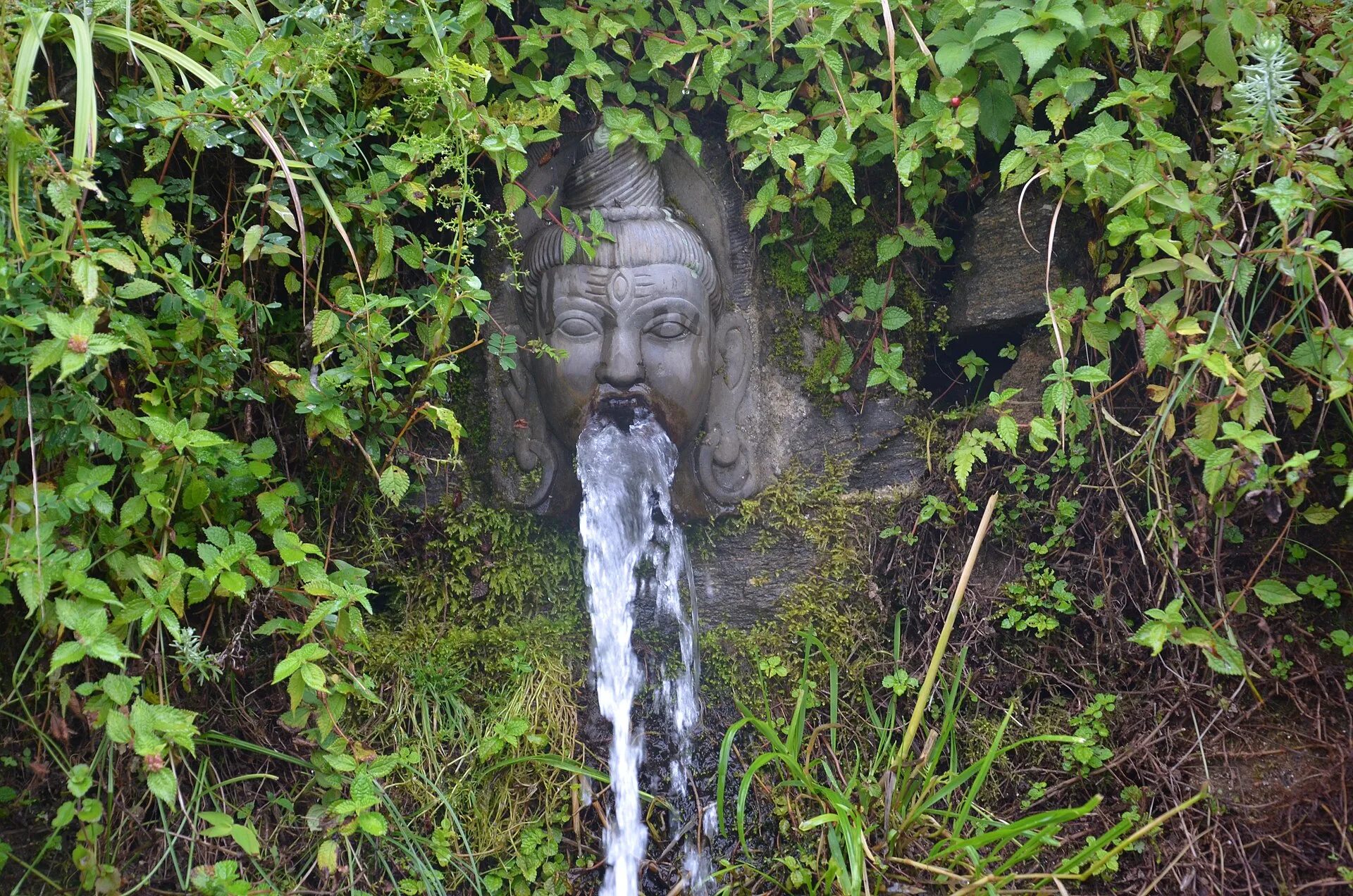
Photo: Pratap Baniya
Why Visit: Shivapuri Nagarjun National Park is the largest wilderness in the Kathmandu Valley, a protected park of oak, pine and rhododendron forest on the northern hills. Declared a national park in 2002 and covering 159 square kilometres, it protects the watershed of the Bagmati and Bishnumati rivers, and its forests shelter leopards, Himalayan black bears and more than 300 bird species, according to the Department of National Parks and Wildlife Conservation.
Trails climb from Budhanilkantha, Sundarijal and Kakani to Shivapuri Nagarjun National Park, whose highest point, Shivapuri Peak, rises to 2,732 metres. The lower trails pass the springs of Baghdwar and Bishnudwar, two of the valley's sacred water sources. It is the one place in this guide where you can spend a whole day walking in deep forest without ever leaving the edge of the city.
2. Godawari National Botanical Garden
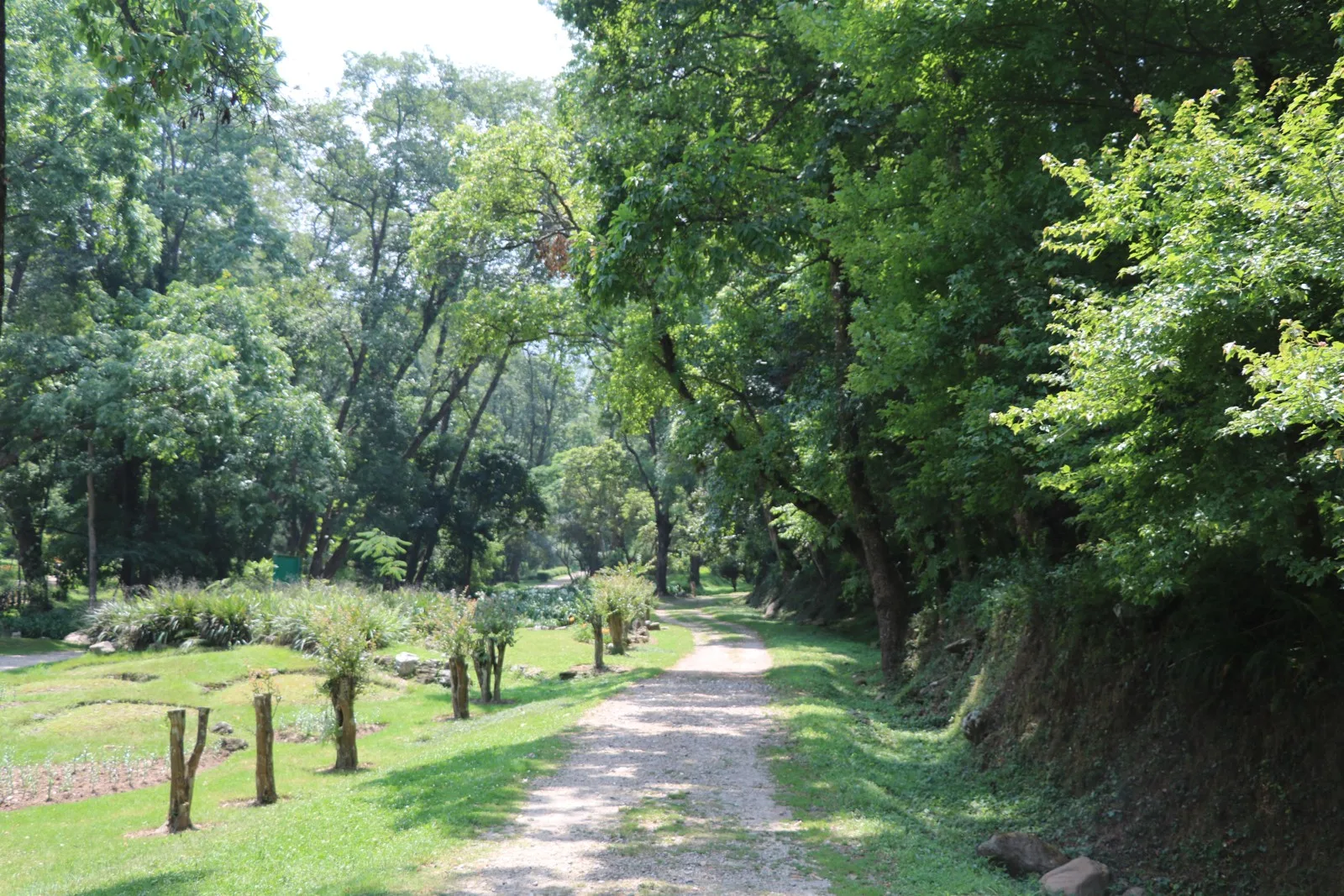
Photo: Nabin K. Sapkota
Why Visit: The National Botanical Garden at Godawari is the most relaxing green day out near Kathmandu. Established in 1962 and spread over 82 hectares at the foot of Phulchoki in Lalitpur, it holds themed gardens, an orchid house, a rock garden and forest trails that showcase the plants of Nepal's mid-hills, as described by the Department of Plant Resources.
Families come to picnic on the lawns, school groups come to learn the trees, and walkers use Godawari National Botanical Garden as the starting point for the climb to Phulchoki. In spring, when the rhododendrons flower on the slopes above, the garden is at its best.
3. Chandragiri Hills
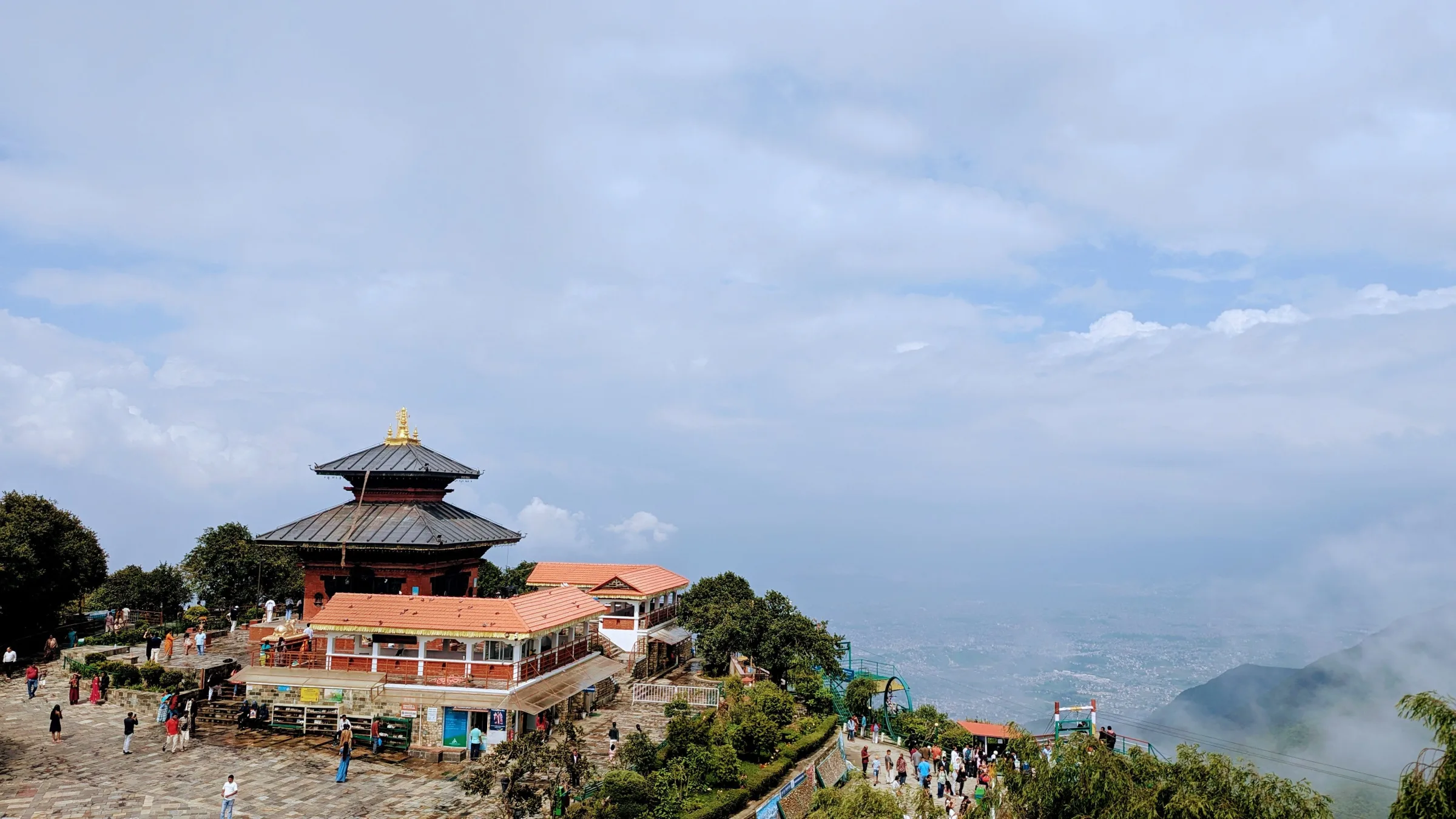
Photo: Shawn Nir
Why Visit: Chandragiri Hills is the easiest way to stand high above the valley and look out over the Himalaya. A cable car from Thankot climbs in about 11 minutes to 2,551 metres, where the Bhaleshwor Mahadev Temple, a view tower and walking trails share a ridge with wide views of the mountains, according to the resort's own description.
On a clear morning the whole Himalayan range opens up from Chandragiri Hills, from the Annapurna range in the west to Everest in the east. Walkers can also reach the summit on foot, and the ridge continues east toward Champadevi, making Chandragiri a good introduction to the valley's southern hills.
4. Nagarkot
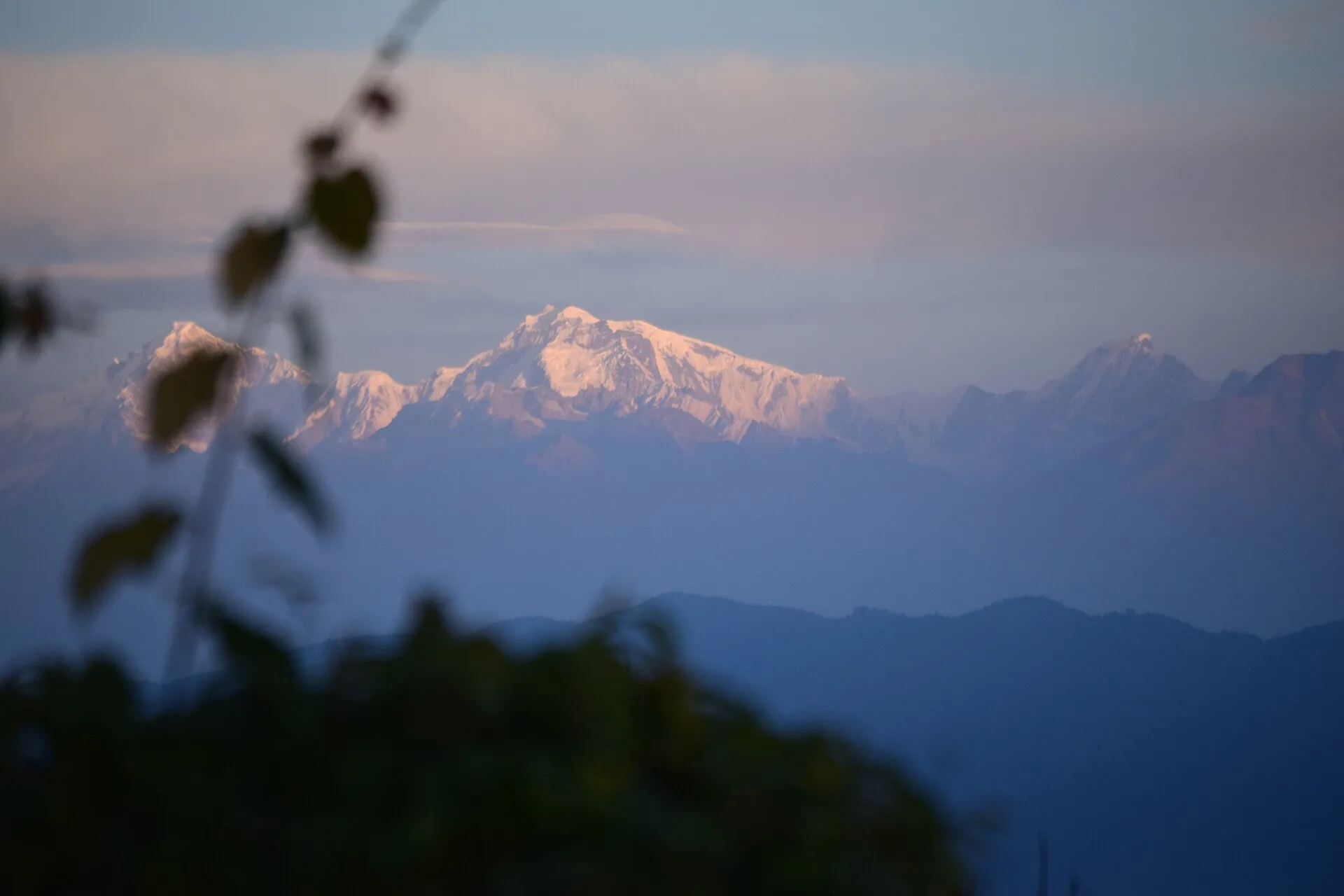
Photo: Nsaad
Why Visit: Nagarkot is the valley's classic sunrise viewpoint. This hill station, about 32 kilometres east of Kathmandu at 2,175 metres, is known for the panorama of the Himalaya that opens up at dawn, which at its clearest stretches from Everest to the Annapurna range, as described by the Nepal Tourism Board.
Pine forests and village lanes surround Nagarkot, and the ridge walks here are gentle, which is why travellers often stay a night to catch the sunrise from their hotel terrace. It is the best choice in this guide for a first mountain sunrise without a trek.
5. Garden of Dreams
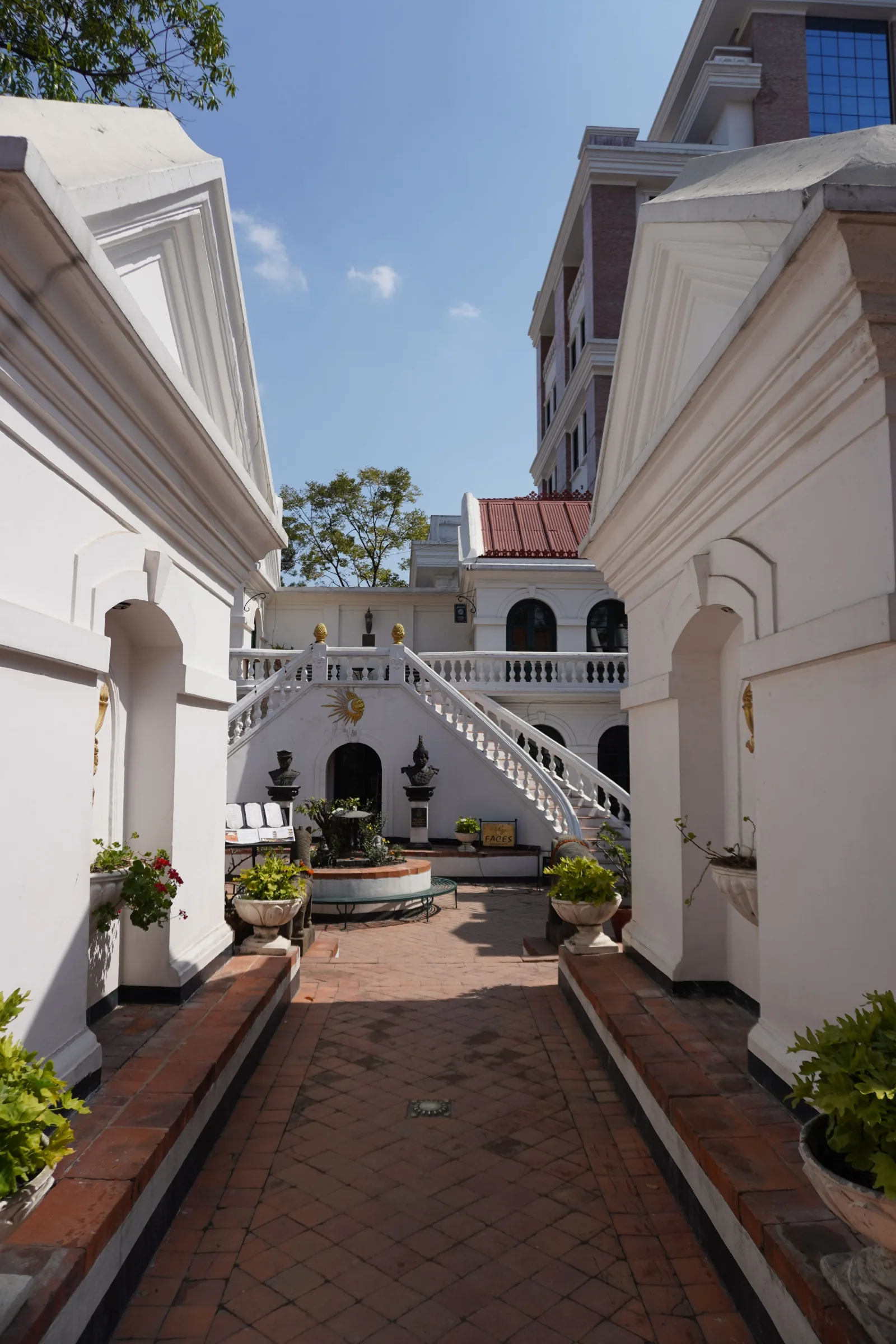
Photo: Saugat Shrestha
Why Visit: The Garden of Dreams is the green heart of the city centre, a neo-classical garden in Thamel built in the 1920s for Kaiser Shumsher Rana and restored for the public. White pavilions, pergolas, ponds and an amphitheatre sit among lawns and mature trees, a world away from the streets outside its gate.
It is the most accessible garden in this guide, and the best place for a quiet hour in the middle of Kathmandu. Visitors come to read in the shade, to photograph the pavilions, and to eat at the garden cafe, and Garden of Dreams remains one of the few places in the city where the sound is water and birds rather than traffic.
6. Phulchoki Hill
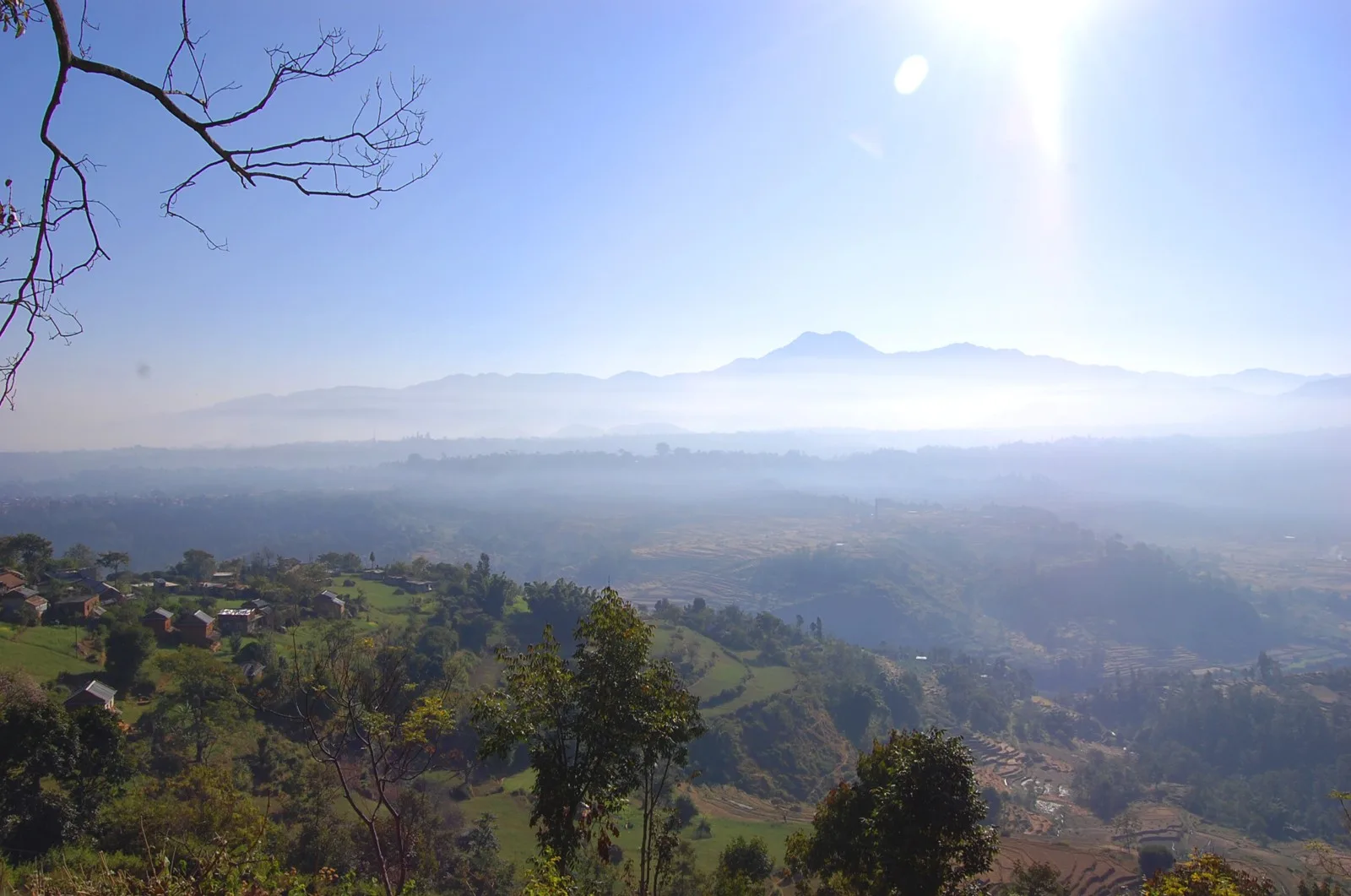
Photo: Ashishlohorung
Why Visit: Phulchoki is the highest hill on the Kathmandu Valley rim, rising to 2,762 metres above the botanical garden at Godawari. Its slopes are covered in rhododendron and oak forest, and it is one of the best birdwatching sites in the valley, with more than 250 bird species recorded on its slopes.
The trail from Godawari climbs steadily through the forest to the summit, where Phulchoki Hill offers views over the whole valley and, on clear days, the Himalaya. In spring the rhododendron forest flowers in red and pink, which is the finest time to make the climb.
7. Taudaha Lake
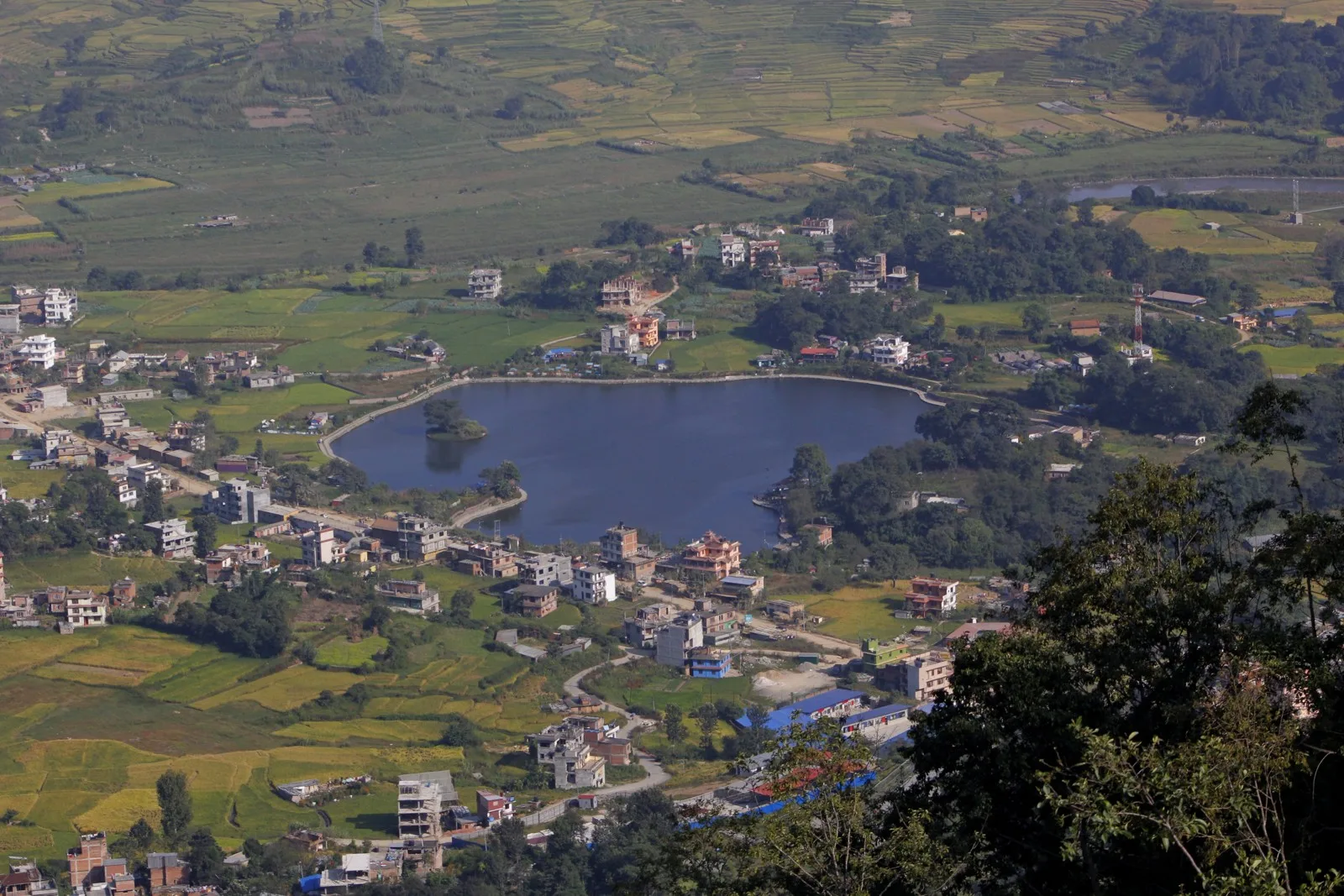
Photo: Bhuwan Maharjan
Why Visit: Taudaha is a natural lake in Kirtipur on the south-western edge of Kathmandu, and one of the most peaceful waterside spots in the valley. It is steeped in the legend of the serpent Karkotak, said to live in its waters, and in winter it attracts migratory birds.
A quiet path circles Taudaha Lake, past the seating areas where local people watch the birds, and the lake's small island makes it one of the most photogenic natural places in the city. It is an easy half-day visit, best combined with a walk around Kirtipur.
8. Raniban Forest
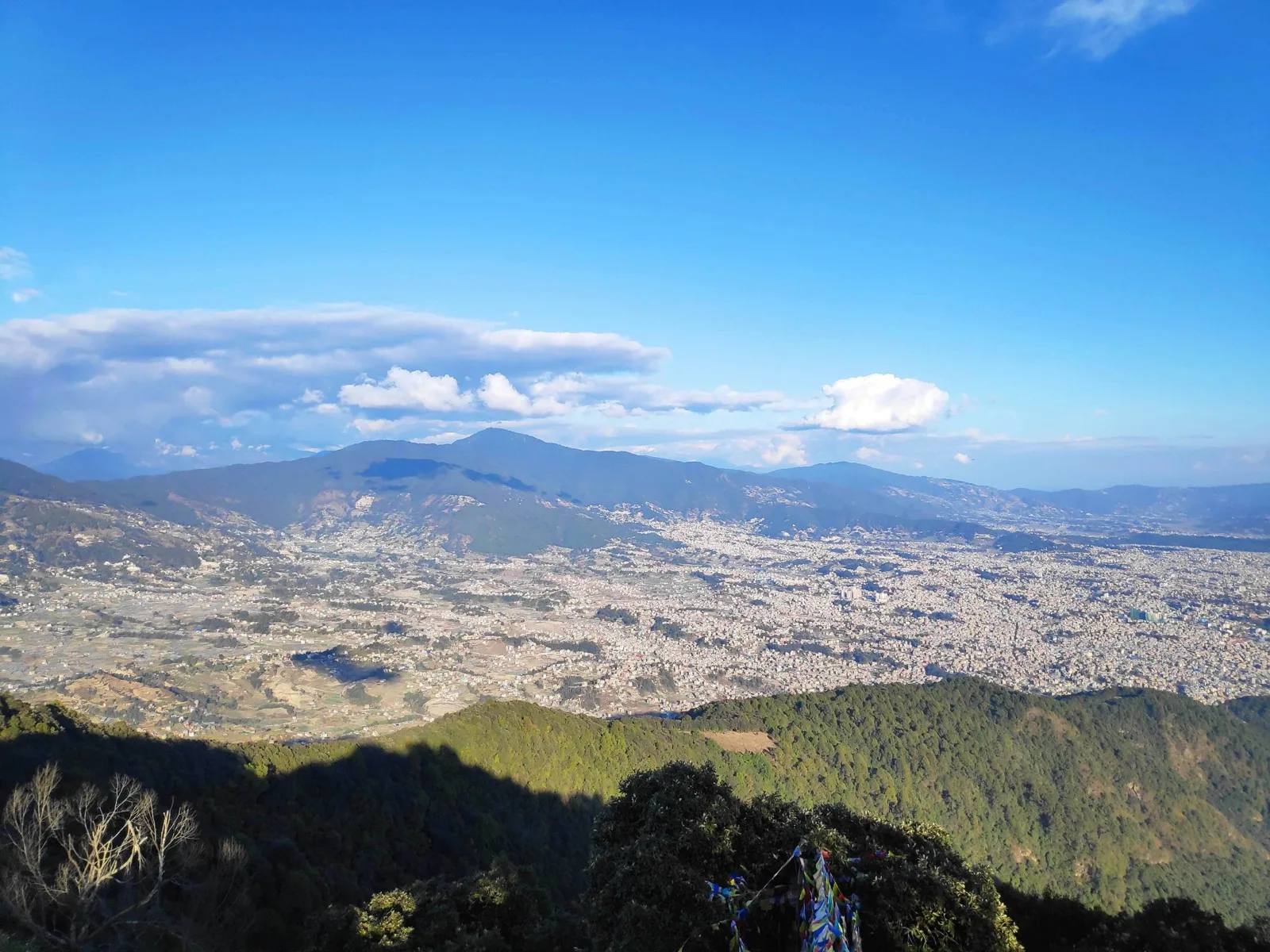
Photo: Google Business Profile
Why Visit: Raniban is a community forest on the Nagarjun ridge west of Kathmandu, and the easiest forest walk in this guide. Its trails wind through pine and mixed forest above the city, with open viewpoints looking down over the Kathmandu Valley and up to the Nagarjun hills.
Because it lies just beyond the city edge, Raniban Forest is where many Kathmandu residents go for a morning walk, a picnic or an afternoon of birdwatching. It is a small taste of the Nagarjun forest block, and a good warm-up for the longer trails of Shivapuri.
9. Baghdwar
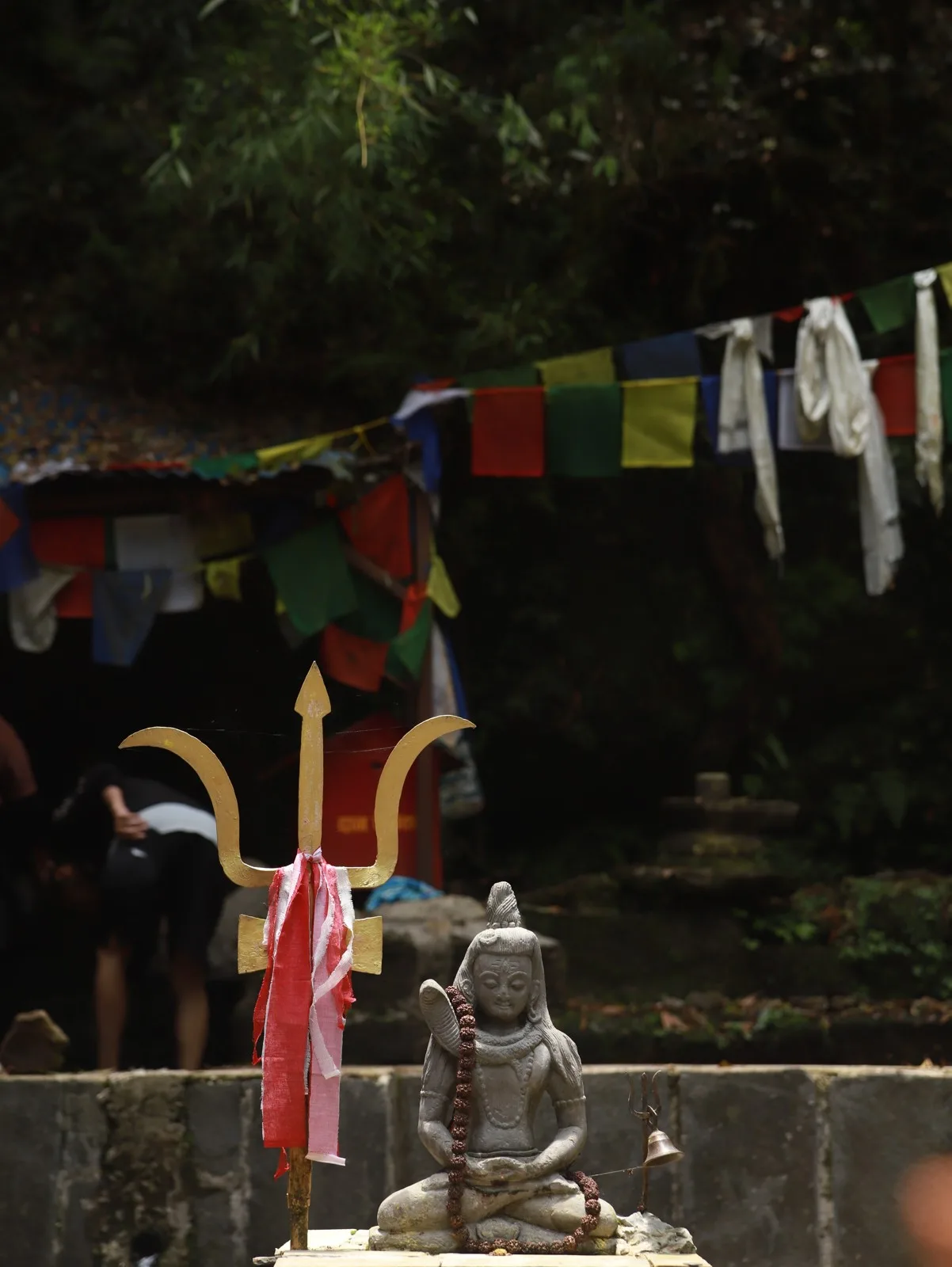
Photo: Krishna k. sahh
Why Visit: Baghdwar, in the forests of Shivapuri Nagarjun National Park, is the spring where the Bagmati River begins its course through Kathmandu. A stone spout shaped like a tiger's mouth and a small shrine mark the source, and the forest trail to it from the park's southern gate is a favourite walk for birdwatchers and pilgrims.
To stand at Baghdwar is to stand at the start of the river that shapes the whole valley, and the short walk through the forest is one of the most rewarding easy trails in Shivapuri. Pair it with the climb to Shivapuri Peak for a full day in the park.
10. Sundarijal
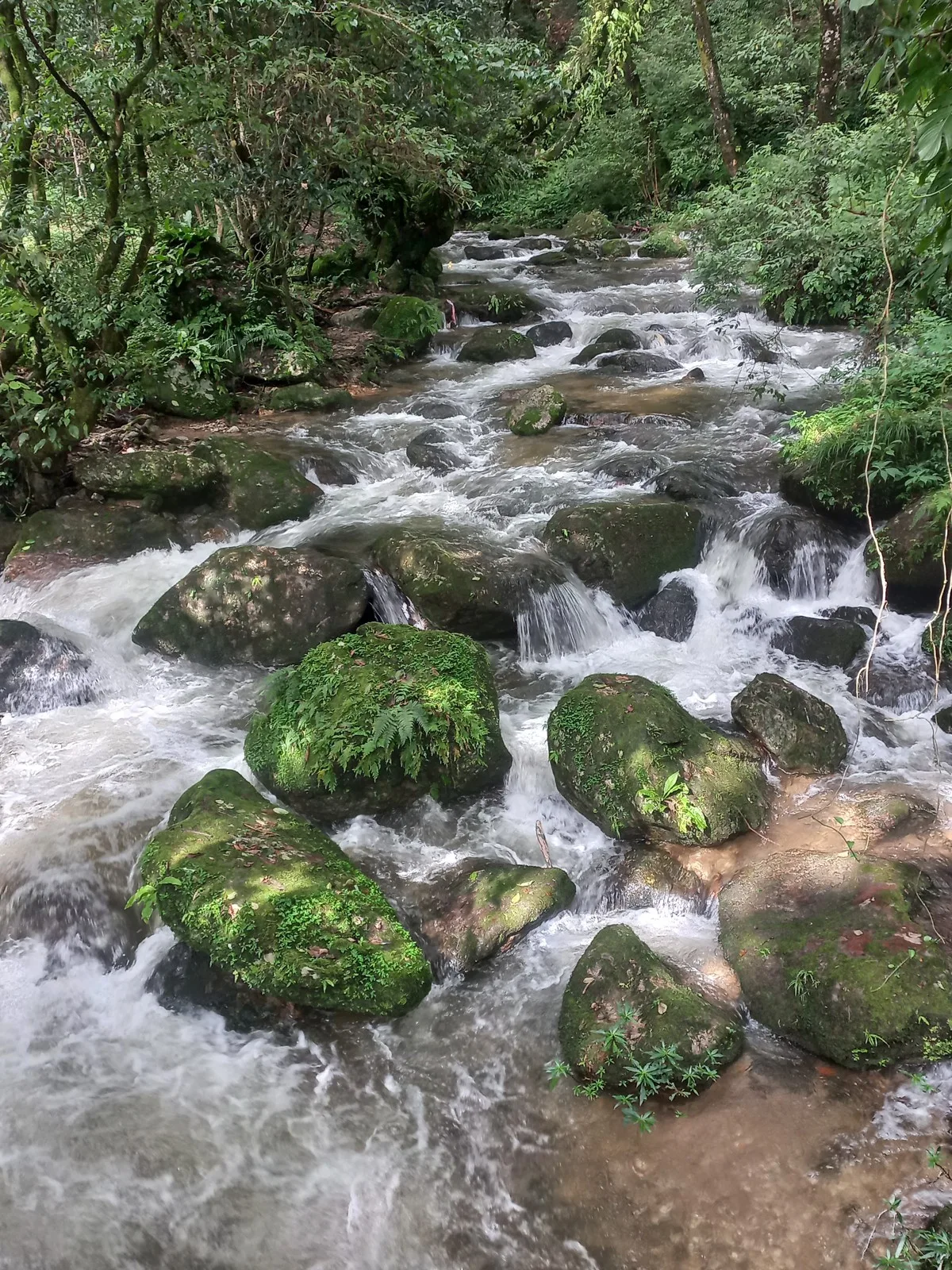
Photo: Google Business Profile
Why Visit: Sundarijal is a village and waterfall area at the north-eastern edge of the valley in Gokarneshwar, at the foot of Shivapuri. Its streams feed the Bagmati, and the water tumbling over the rocks among ferns and forest is the most popular picnic and swimming spot near the city.
Sundarijal is also the starting point of the classic trek to Chisapani, so many visitors use Sundarijal as a day walk from the city or the first night of a longer hike. The short walk up to the waterfalls is easy, and the forested valley beyond it is the gateway to Shivapuri.
11. Kakani
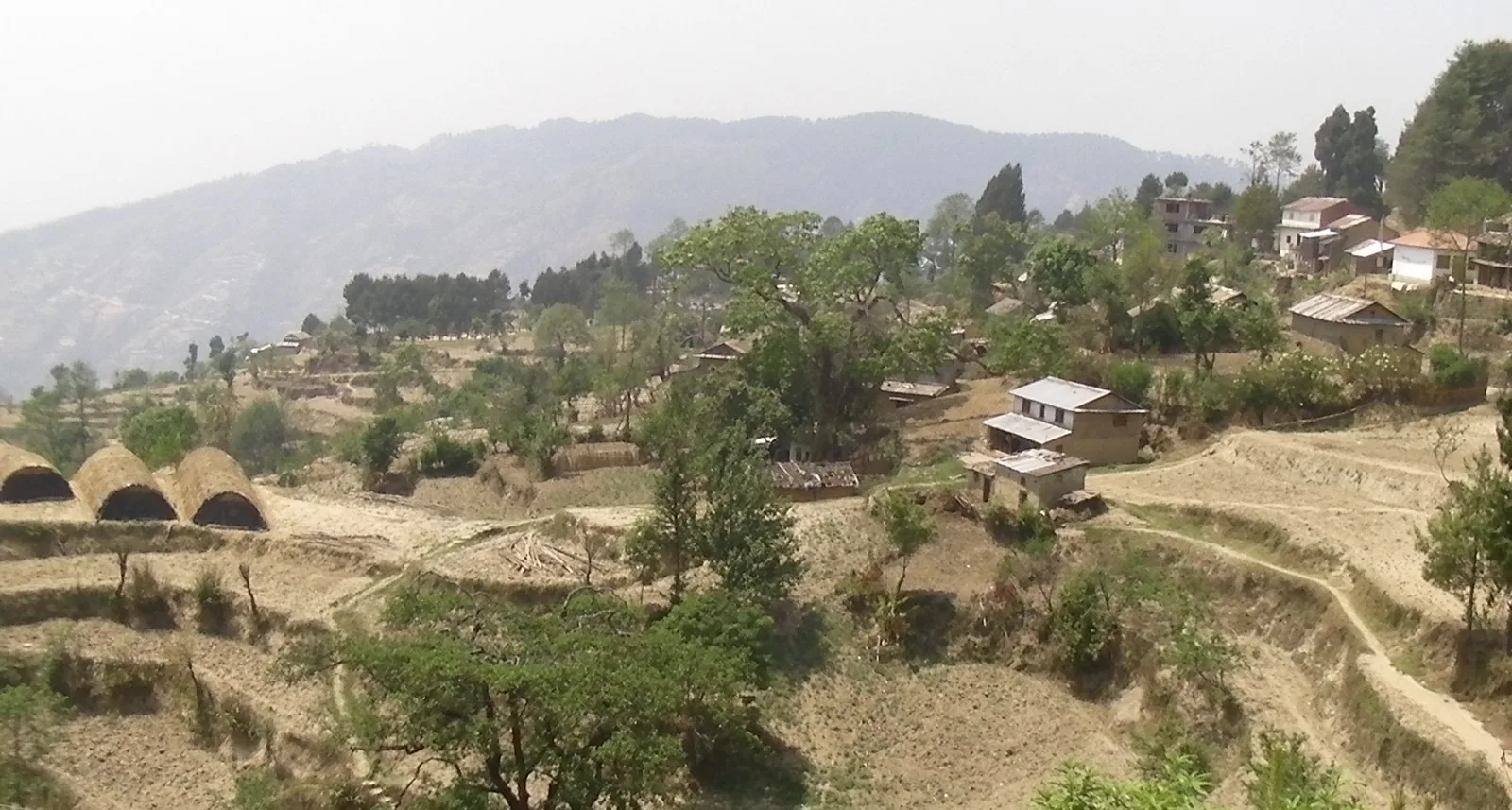
Photo: Brian Dell
Why Visit: Kakani is a hill station in Nuwakot District, about 23 kilometres north-west of Kathmandu on the road to Trishuli. At around 2,000 metres it offers views of the Ganesh Himal and Langtang ranges, pine forests, and the strawberry fields that have made the village a popular weekend escape.
Unlike the busier viewpoints closer to the city, Kakani is quiet, with village lanes, a memorial park and sunset views over the hills. It is the best choice in this guide for travellers who want a mountain atmosphere and a night away from the city, and it pairs well with a visit to Shivapuri's western trails.
12. Champadevi Hill
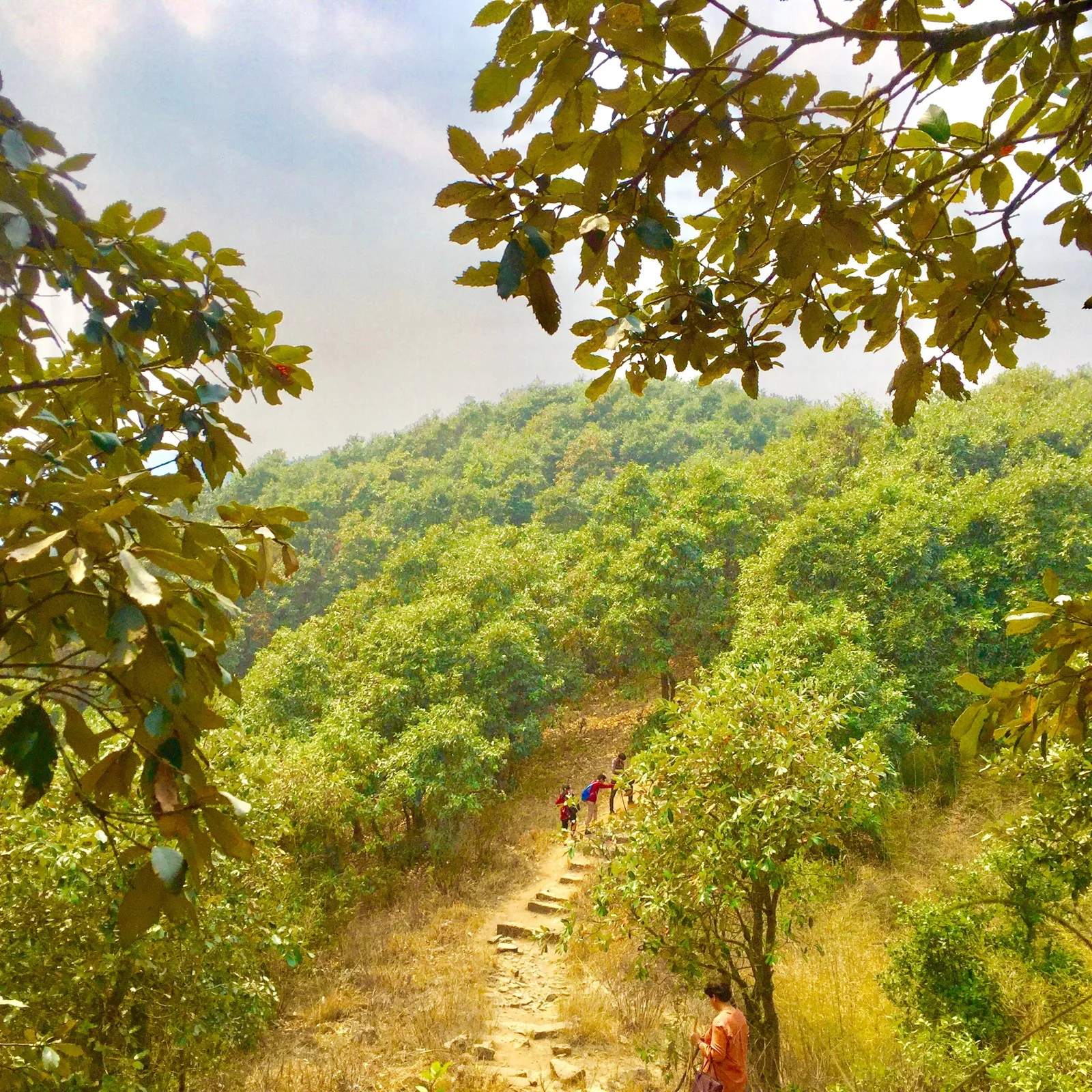
Photo: Midas Bastola
Why Visit: Champadevi is a forested hill on the southern rim of the Kathmandu Valley, climbed from the villages south of Kirtipur. A temple stands at the summit, and the ridge offers clear views across the whole valley and the Himalaya on clear mornings.
The ridge from Champadevi Hill continues east toward Chandragiri, so strong walkers can cross the entire southern rim in a day. Even a short climb here gives a quieter, greener view of the valley than the viewpoints on the northern side.
13. Bishnudwar
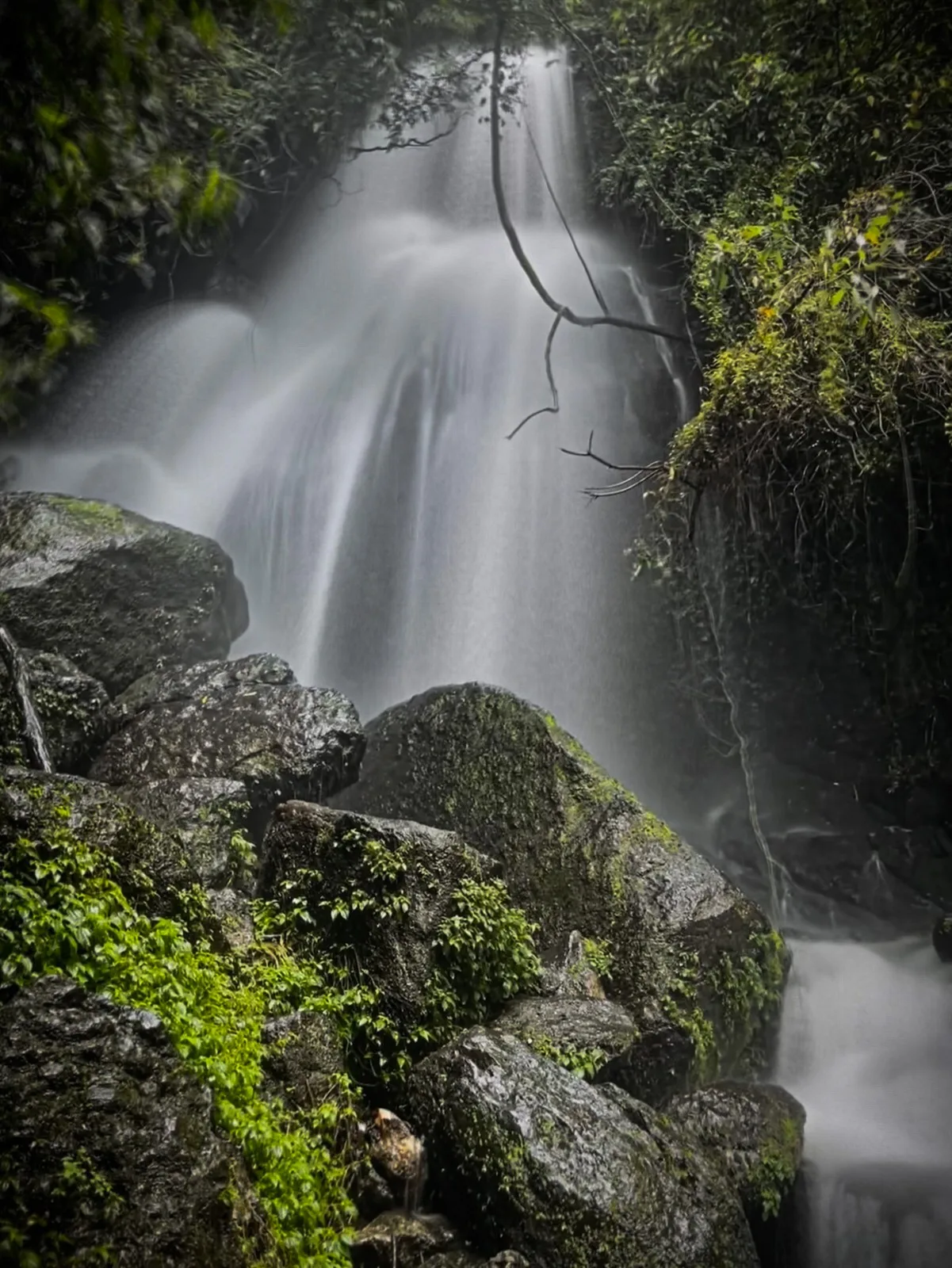
Photo: Rajivpaudel
Why Visit: Bishnudwar is a waterfall and sacred spring in the foothills of Shivapuri, reached by a short forest trail from Budhanilkantha. It is regarded as the source of the Bishnumati River, and the mossy rocks, ferns and clear pools make it one of the most beautiful natural corners in the valley.
The walk to Bishnudwar is short and shaded, which makes it a good choice for a hot afternoon, and the pool at the foot of the falls is a favourite resting place for hikers heading deeper into Shivapuri. Come after the monsoon, when the falls run at their fullest.
14. Balaju Water Garden
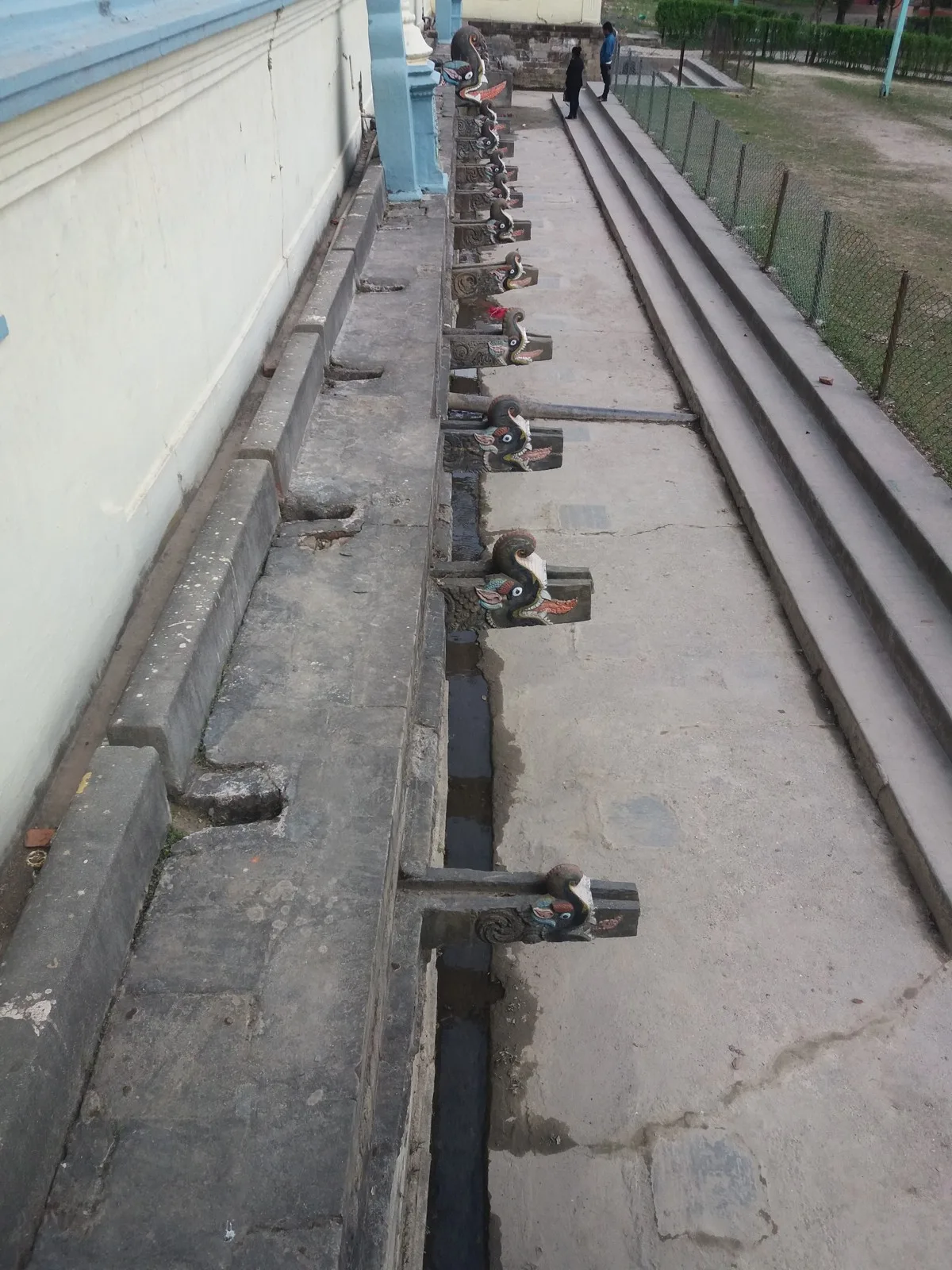
Photo: Shadow Ayush
Why Visit: The Balaju Water Garden, also known as Baisdhara, is a historic garden in north-west Kathmandu built around a row of 22 stone spouts. Lawns, ponds and mature trees surround the spouts, and the garden is a quiet picnic and walking spot beneath the Nagarjun hills.
The spouts of Balaju Water Garden have watered Kathmandu for centuries, and the garden is one of the few places in the city where you can see the old water system of the valley still working. It is a gentle, easy stop on the way to Raniban and the Nagarjun forests.
15. Chisapani
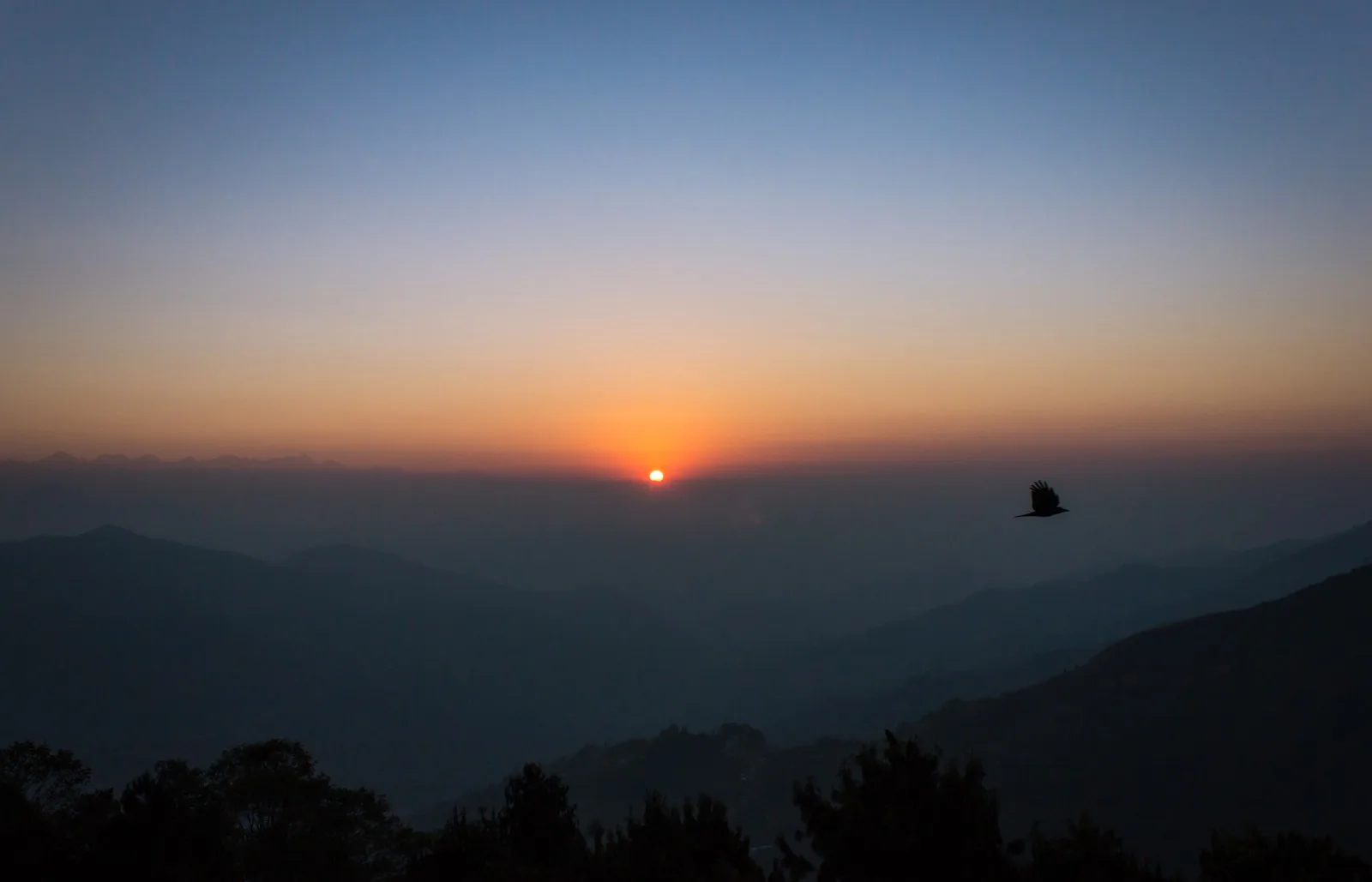
Photo: Sunil kawan
Why Visit: Chisapani is a small hill village on the Shivapuri ridge at the end of the classic Sundarijal to Chisapani trail. From its lodges, hikers watch the sun rise over the mountains and look down on the whole Kathmandu Valley, making it one of the most rewarding short hikes from the city.
The two-day walk from Sundarijal is the best introduction to trekking in Nepal for anyone short on time, and Chisapani itself, with its terraced fields and forested ridge, is the perfect place to spend a night above the valley. Start early and bring a warm layer for the morning.
Sources
This guide was researched from government and official institutional sources. Sources used: Department of National Parks and Wildlife Conservation; Department of Plant Resources; Nepal Tourism Board; Chandragiri Hills Ltd; Kathmandu Metropolitan City; Lalitpur Metropolitan City; Kirtipur Municipality; Gokarneshwar Municipality; Nagarjun Municipality; Nuwakot District. Photographs are credited in their captions. No entry fees, opening hours, prices or timings are stated in this guide, as these change and should be confirmed with the relevant authority before visiting.