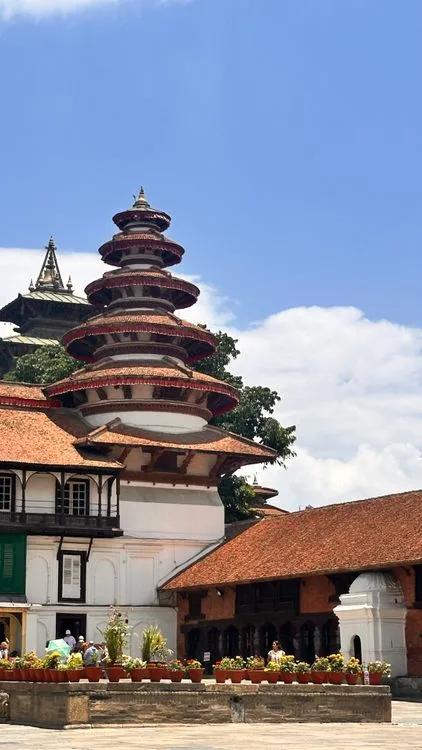
The trajectory of higher education in Nepal is a fascinating study in modernization, transitioning from deeply rooted traditional systems to a network of modern universities. The story reflects Nepal's political transformations, from the insular Rana regime to the democratic era. Understanding this history helps explain why the country's academic landscape looks the way it does today.
Early Foundations & Gurukuls

Before the advent of modern institutionalized education, Nepal relied on traditional indigenous systems of learning. The Gurukul system, where students lived with a guru and learned the Vedas, philosophy, and religious texts, was the primary mode of education for centuries. Buddhist monasteries, or Viharas, also played a crucial role in preserving knowledge, teaching monks and scholars about Buddhist philosophy, logic, and literature.
Knowledge was passed down orally and through ancient manuscripts, fostering a rigorous, albeit specialized, intellectual tradition. However, this system was not designed for mass education. Learning was restricted to specific castes and communities, and access was limited: most ordinary families had little chance of formal study.
The Establishment of Tri-Chandra

The true pivot towards formal western-style higher education occurred during the Rana regime, specifically in 1918. Prime Minister Chandra Shumsher established Tri-Chandra College, Nepal's first institution of higher education.
"The opening of Tri-Chandra College marked a cautious but irreversible step into modern education in Nepal."
Initially affiliated with Patna University in India, Tri-Chandra offered intermediate courses. It was the only college in the country for decades, and admission was highly restricted. The curriculum was modeled on the British Indian system, focusing on humanities and sciences.
Tribhuvan University Era
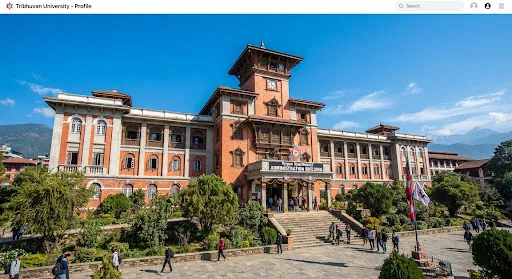
The fall of the Rana regime in 1951 ushered in a democratic era and a massive surge in public demand for education. The need for a national university became urgent. In response, Tribhuvan University was established in 1959, named after King Tribhuvan. It was Nepal's first university and remains its largest and oldest institution of higher learning.
TU became the cornerstone of Nepalese higher education. It absorbed existing colleges and rapidly expanded, establishing constituent campuses across the country and affiliating hundreds of private and community colleges. It introduced diverse faculties, including science, humanities, management, education, law, and medicine.
Modern Expansion

The restoration of democracy in 1990 brought liberalization policies that transformed the education sector. Private investment was encouraged, leading to the establishment of new universities and a boom in private colleges.
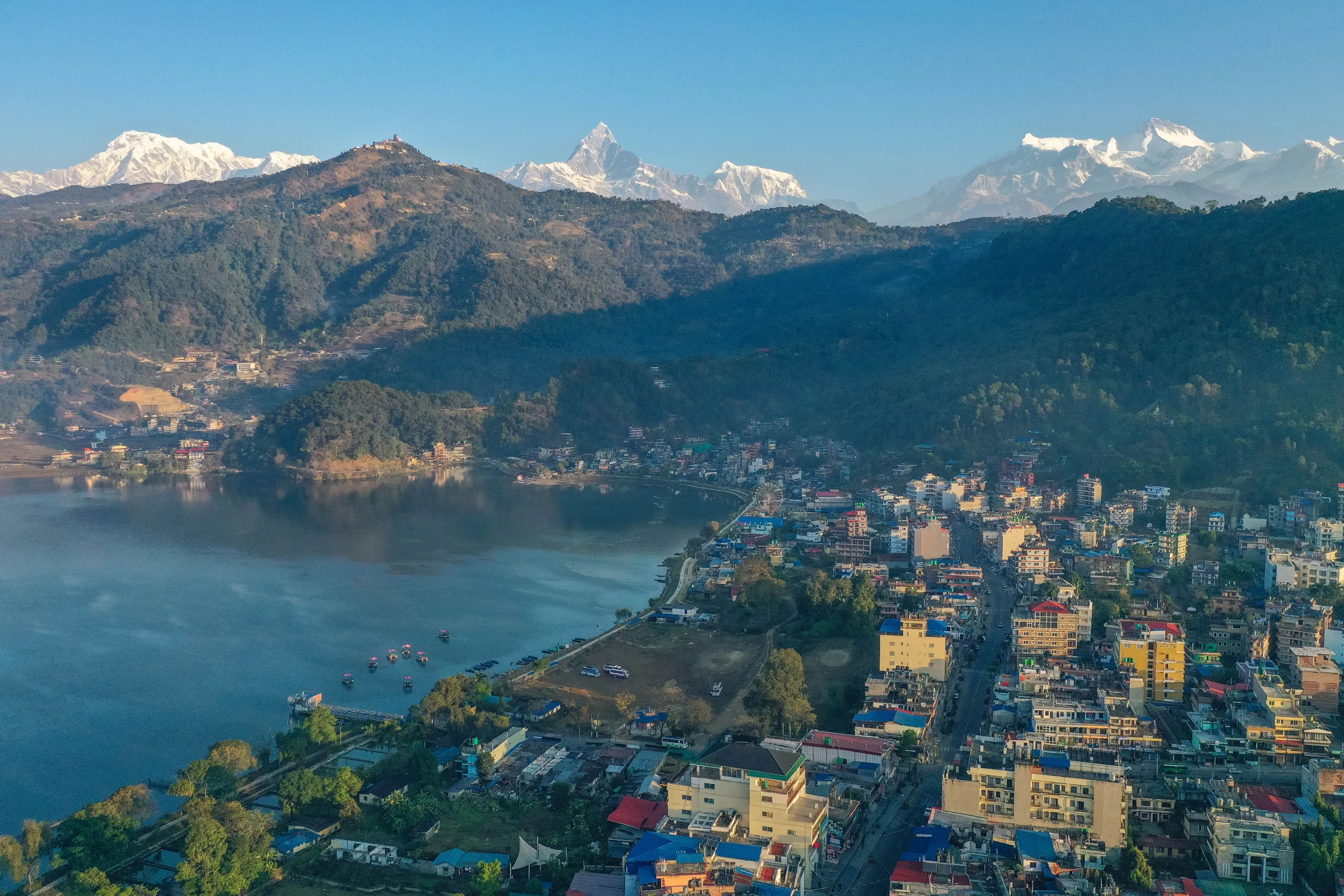
Institutions like Kathmandu University, established in December 1991 as an autonomous, not-for-profit university, emerged as pioneers in engineering, management and medical education. Other universities followed, including Pokhara University, established in 1997, and Purbanchal University, established in 1994, which expanded access to higher education beyond the Kathmandu Valley.
Today, Nepal has a diverse higher education ecosystem. Students can pursue degrees in a wide range of fields, from traditional humanities to cutting-edge information technology. The system continues to evolve, with increasing focus on research, quality assurance, and international collaboration.
While access has widened enormously since 1918, the quality of education still varies, and many students continue to seek opportunities abroad. The story of higher education in Nepal is one of steady expansion: from a single college for a select few to a national system serving students across the country.
Sources
Tribhuvan University, tu.edu.np. Kathmandu University, ku.edu.np (About Us). Pokhara University, pu.edu.np (General Information). Purbanchal University, purbanchaluniversity.edu.np. Hamro Nepal entity records for Tri-Chandra Multiple Campus and Purbanchal University. Hamro Nepal, Best Colleges and Universities in Nepal (founding years cross-checked).