Choosing where to study in Nepal means choosing between very different kinds of institutions: the country’s oldest public university, a handful of younger regional universities, and a growing set of specialist institutions for agriculture, Sanskrit, Buddhist studies and open learning. This guide ranks the ten universities that matter most for students in 2026, using academic breadth, national reach, research output and student experience as the measures.
How this ranking was put together
This is a Nepal-wide ranking of universities, not a Kathmandu college list. It ranks the universities themselves — the institutions that set curricula, run examinations and award degrees — rather than the affiliated colleges that teach under them. Every fact below was checked against the official website of the university concerned, and against Pokhara University’s published list of Nepal’s universities. Fees and admission dates are deliberately not listed here, because they change every academic year; check the university’s official website before applying.
Rank order reflects four things: scale (students, programs and affiliated colleges), age and national role, breadth of faculties, and specialisation. The top two are clear. Below them, the order balances size against what each university uniquely offers — a regional university that opens higher education to an underserved province can outrank a larger but narrower institution.
At a glance: the top 10 universities in Nepal
- Tribhuvan University — Nepal’s oldest and largest university, Kirtipur, Kathmandu; founded 1959.
- Kathmandu University — Nepal’s leading private non-profit university, Dhulikhel; founded 1991.
- Pokhara University — Western Nepal’s largest university, Pokhara; founded 1997.
- Purbanchal University — Eastern Nepal’s public university, Gothgaun, Morang; founded 1994.
- Mid-West University — Karnali’s public university, Birendranagar, Surkhet; founded 2010.
- Far Western University — Sudurpashchim’s public university, Mahendranagar, Kanchanpur; founded 2010.
- Agriculture and Forestry University — Nepal’s technical university for agriculture and forestry, Rampur, Chitwan; founded 2010.
- Nepal Sanskrit University — Nepal’s Sanskrit university, Beljhundi, Dang; founded 1986.
- Lumbini Buddhist University — Buddhist studies university in Lumbini; founded 2004.
- Nepal Open University — Nepal’s open and distance-learning university, Manbhawan, Lalitpur; founded 2016.
1. Tribhuvan University

Tribhuvan University (TU), based at Kirtipur in Kathmandu and established in 1959, is Nepal’s first and largest university, with 62 constituent campuses and more than 350,000 students. Its institutes and faculties cover almost every field taught in the country, from medicine and engineering to humanities, management, education, law and agriculture, and hundreds of affiliated colleges across Nepal teach its curricula. A TU degree remains the most widely recognised Nepali qualification at home and abroad.
Best for: students who want the widest choice of programs and campuses, and the most widely recognised degree in Nepal.
2. Kathmandu University
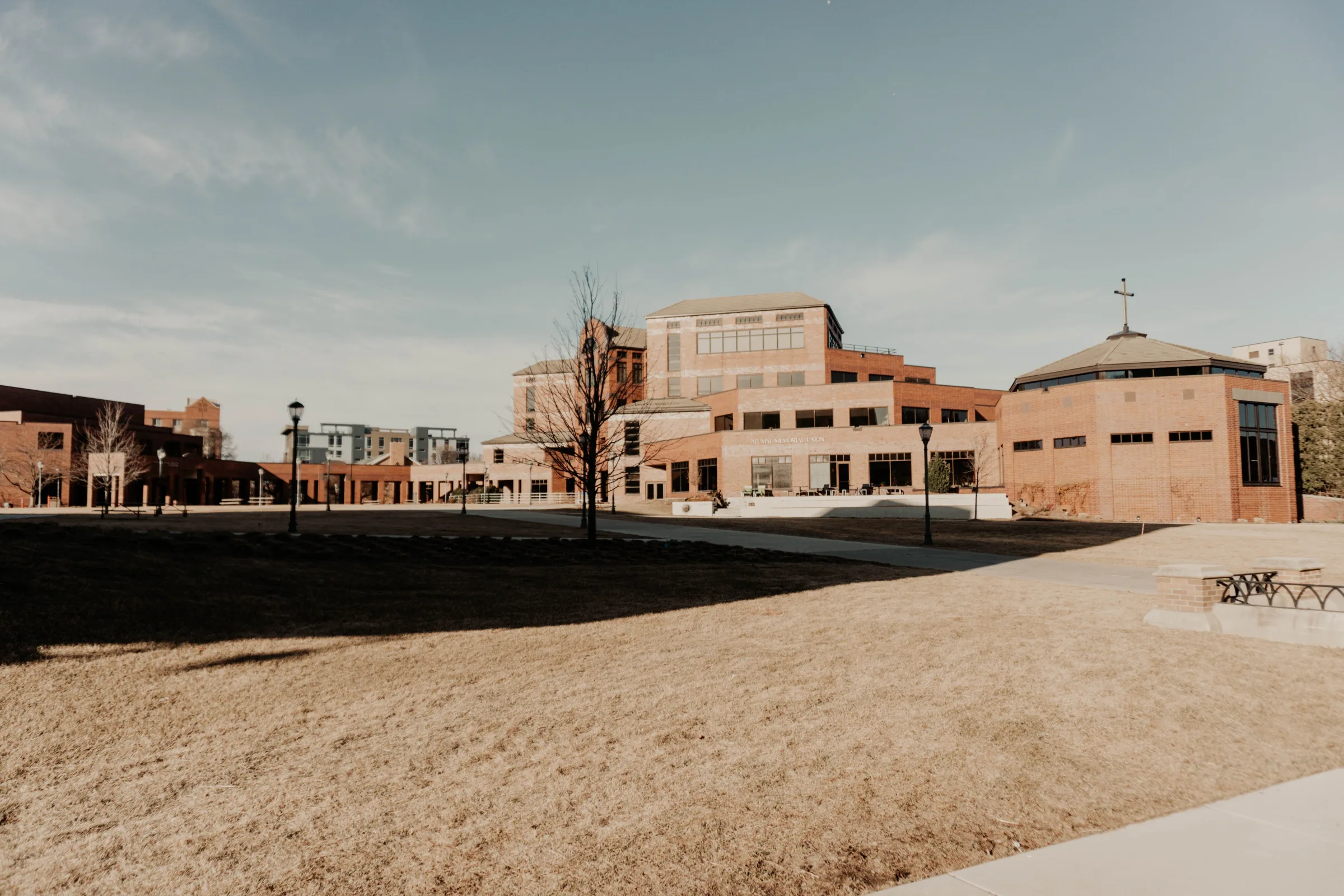
Kathmandu University (KU), founded in November 1991 and based at Dhulikhel in Kavrepalanchok, is Nepal’s leading private, not-for-profit university, with seven schools and more than 8,000 students. Its schools cover engineering, science, management, medicine, law, arts and education, and its School of Management and School of Engineering are among the most sought-after in the country. KU runs its own teaching hospital at Dhulikhel.
Best for: students looking for a private university with strong engineering, management and medical programs and a residential campus outside the Kathmandu Valley’s core.
3. Pokhara University
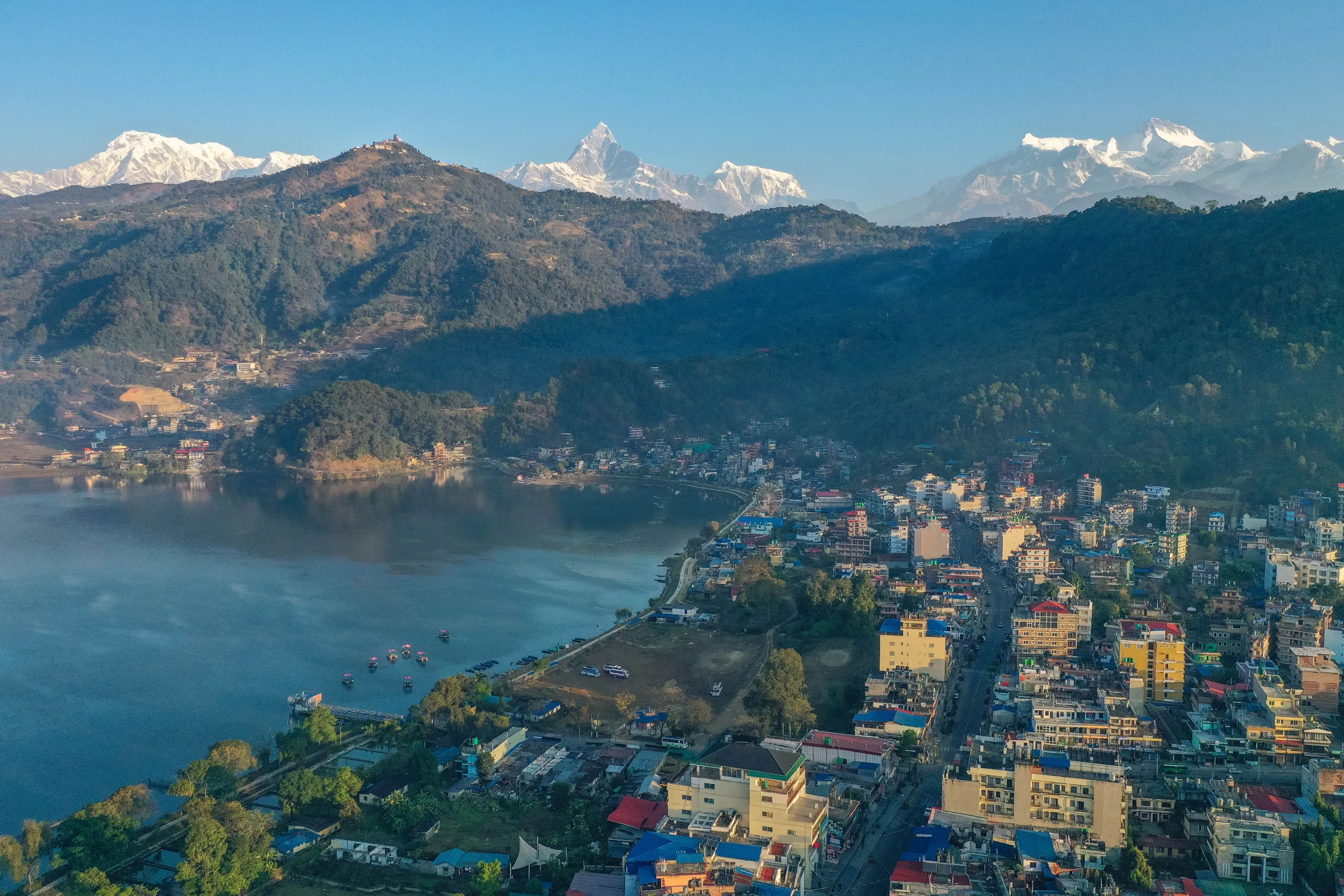
Pokhara University, established in 1997 under the Pokhara University Act, is a non-profit autonomous university, partly funded by the Government of Nepal, based at Pokhara Metropolitan City-30 in Kaski. It runs 82 programs through 66 affiliated colleges, with 37,790 students and more than 71,430 graduates. Its four faculties cover management, science and technology, health sciences, and humanities and social sciences.
Best for: students in western Nepal seeking management, science or health programs without moving to Kathmandu.
4. Purbanchal University
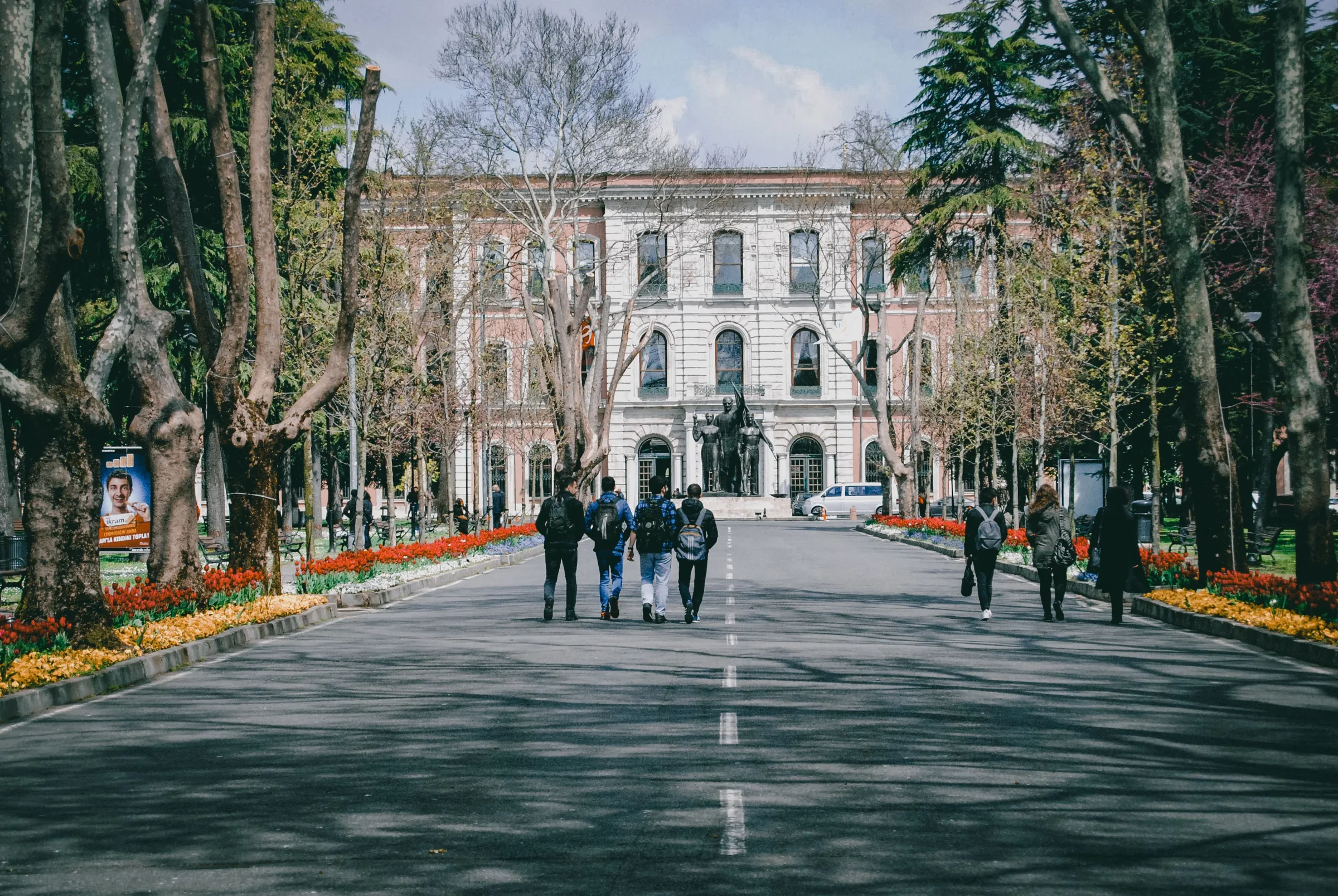
Purbanchal University was established by the Government of Nepal in 1994 and is based at Gothgaun in Morang district, about 30 km from Biratnagar near the East-West Highway, on a 545-hectare campus. Its seven faculties are arts, management, science and technology, education, law, medical and allied sciences, and engineering, and the university is authorised to run MBBS, BDS, BSc Nursing and engineering programs.
Best for: students in eastern Nepal, including medical and engineering aspirants who want to study in the east.
5. Mid-West University
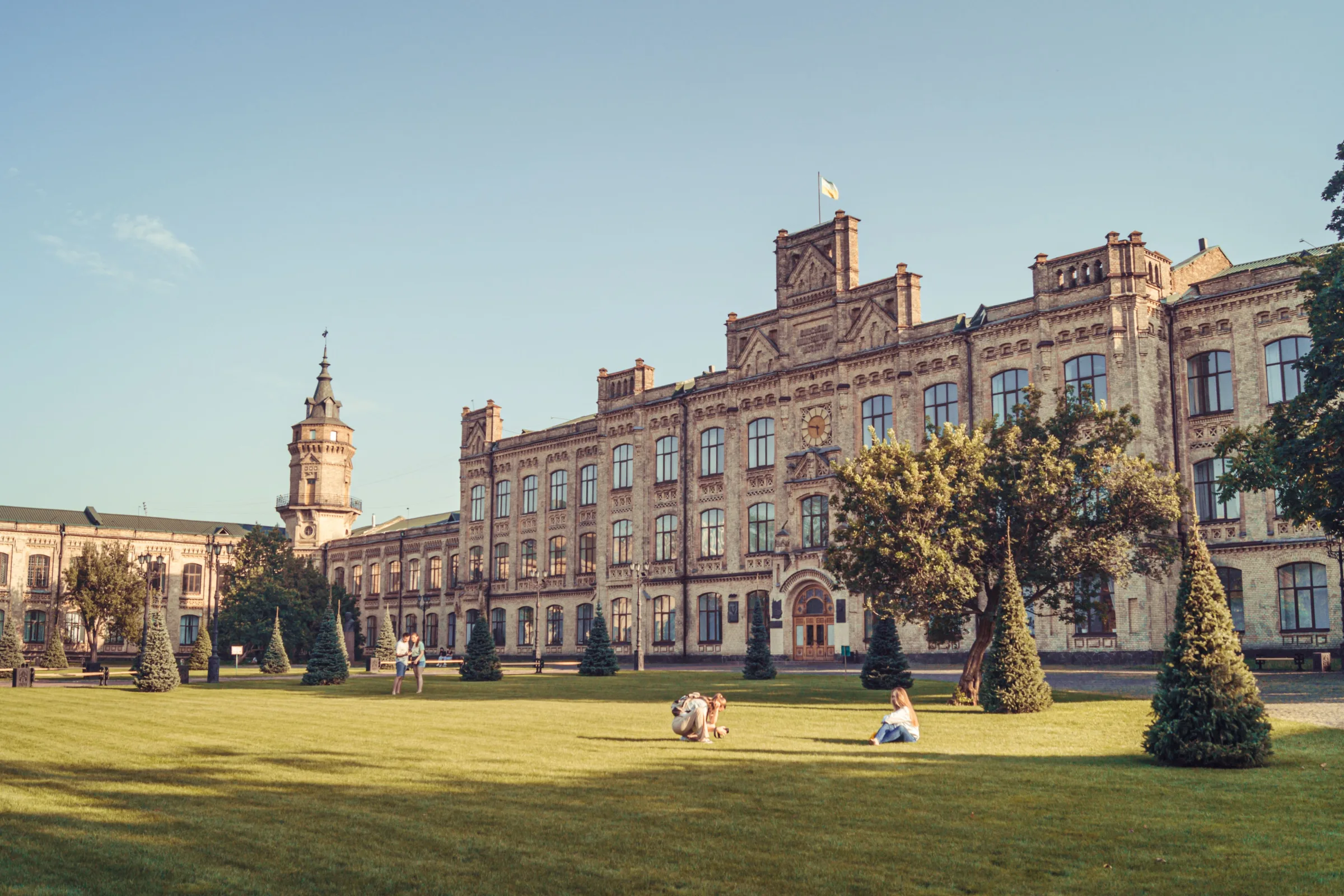
Mid-West University is an autonomous public university based in Birendranagar, Surkhet, in Karnali Province. Its establishment journey began with a local campus movement in 1995, and the university was created by an Act of Parliament in 2010. It runs seven faculties — management, education, humanities and social sciences, law, science and technology, engineering, and agriculture and forestry — offering 50 programs to more than 13,000 students through 20 academic institutions.
Best for: students from Karnali and mid-western Nepal who want a full public university close to home.
6. Far Western University

Far Western University is a government-owned university established in 2010 by an Act of the Parliament of Nepal, with its central office at Bheemdatta Municipality-18, Mahendranagar, Kanchanpur. It was founded to bring higher education to far-western Nepal, and today serves 18,861 students with 485 teachers across its central campus and constituent campuses.
Best for: students in Sudurpashchim Province seeking public higher education in the far west.
7. Agriculture and Forestry University
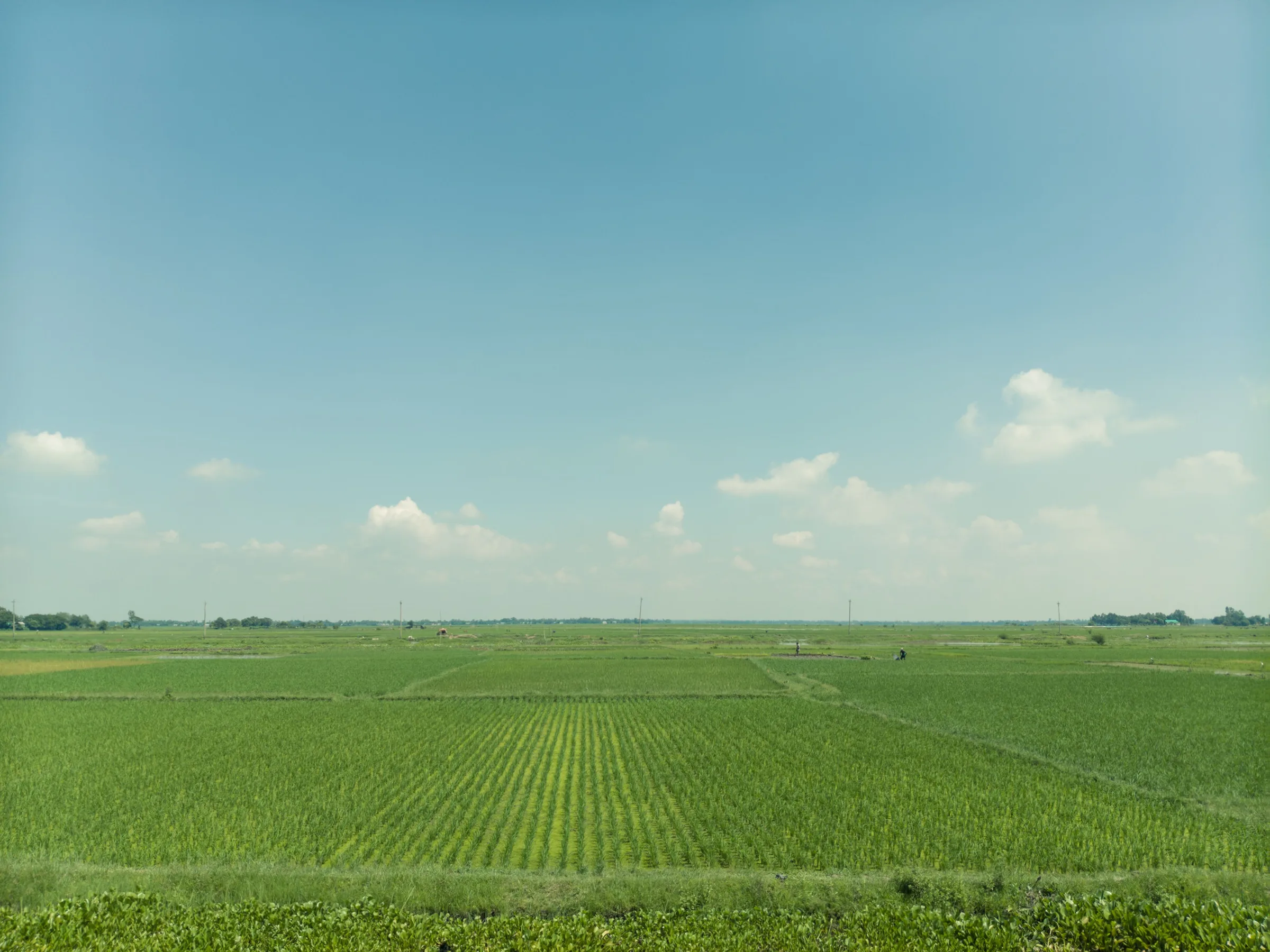
Agriculture and Forestry University is Nepal’s first state-owned technical university, based at Rampur in Chitwan and established in 2010. It grew out of the Institute of Agriculture and Animal Science and has three faculties: agriculture; animal science, veterinary science and fisheries; and forestry. It offers undergraduate, postgraduate and doctoral programs in agriculture, animal science, veterinary science, fisheries and forestry.
Best for: students aiming for careers in agriculture, veterinary science or forestry.
8. Nepal Sanskrit University

Nepal Sanskrit University is a public university based at Beljhundi in Dang district, Lumbini Province, established on 25 Mangsir 2043 BS (December 1986) as Mahendra Sanskrit University and later renamed Nepal Sanskrit University. It is Nepal’s dedicated university for Sanskrit language and literature, Vedic studies, Ayurveda and traditional learning, with affiliated campuses across the country.
Best for: students of Sanskrit, Vedic studies and Ayurveda.
9. Lumbini Buddhist University
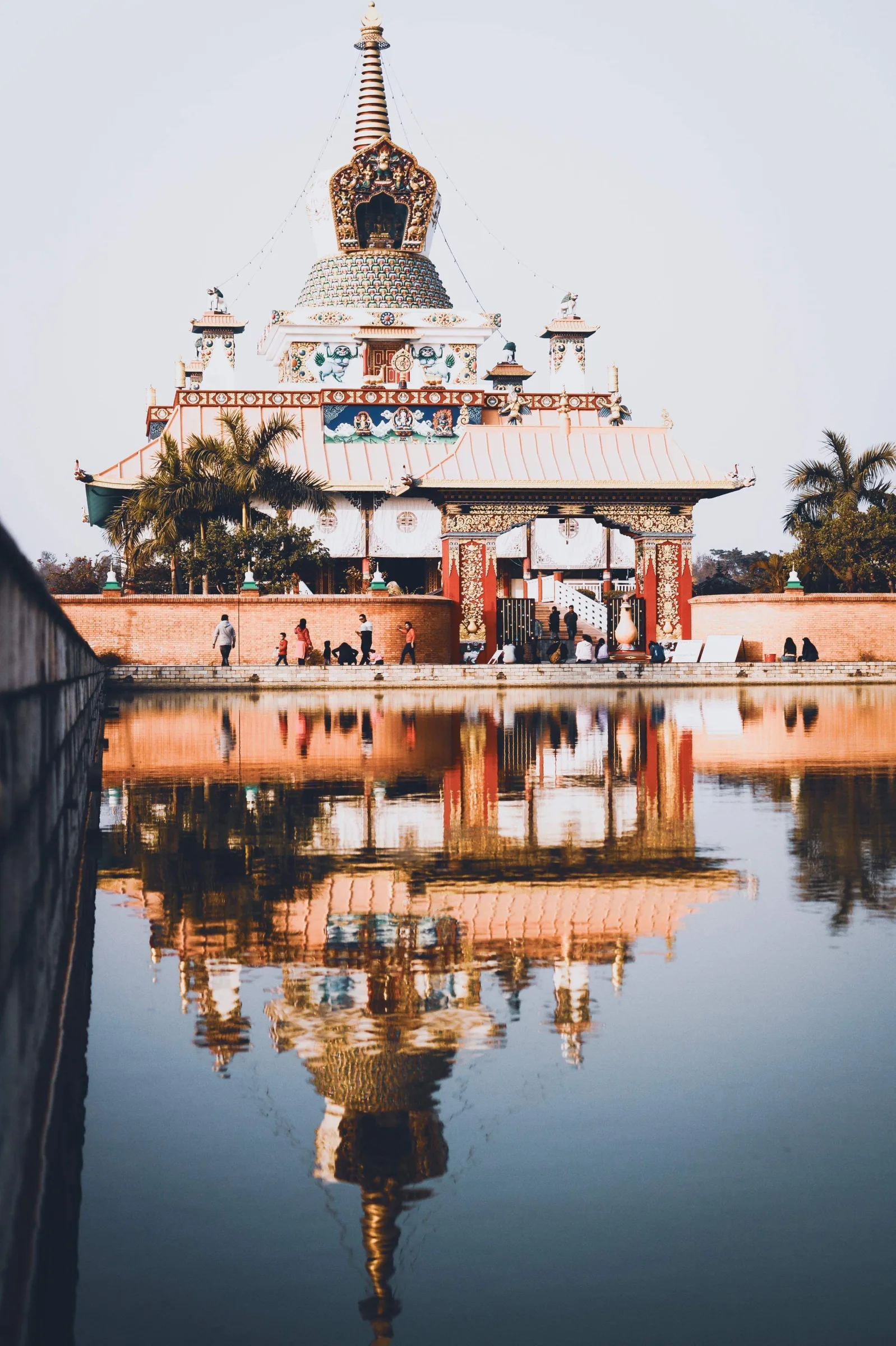
Lumbini Buddhist University is an autonomous public university based in Lumbini, the birthplace of Gautam Buddha, in Rupandehi district. It was formally established on 14 Marga 2061 BS (December 2004) to promote Buddhist studies, peace and sustainable development. Its faculties cover Buddhist studies, humanities and social sciences, and the School of Development Studies and Applied Sciences, with campuses in Lumbini and Butwal.
Best for: students of Buddhist studies, peace studies and development, and international students drawn to Lumbini.
10. Nepal Open University

Nepal Open University is Nepal’s open and distance-learning university, based in Manbhawan, Lalitpur, and established in 2016. It delivers degree programs through online and distance study for students who cannot attend a regular campus, with three faculties: management and law, social sciences and education, and science, health and technology. It awarded its first PhD degree in December 2025.
Best for: working adults, teachers and students outside the main cities who need flexible study.
How to choose a university in Nepal
Start with the subject, not the name. A university that is right for medicine may not be right for agriculture, and a regional university close to home may serve you better than a famous one far away. Check that the college or campus you apply to is affiliated with a recognised university, confirm the program, fees and admission dates on the university’s official website, and, if you can, visit the campus before you enrol. For professional programs such as medicine, engineering and law, also check the requirements of the relevant professional council.
Frequently asked questions
Which is the oldest university in Nepal? Tribhuvan University, established in 1959. It is also the largest, with 62 constituent campuses and more than 350,000 students.
How many universities does Nepal have? Purbanchal University’s overview notes 19 universities in Nepal, 11 of them government-established. The ten in this guide are the established national universities; newer provincial and specialist universities are still growing.
Can I study for a degree without attending a campus? Yes. Nepal Open University, established in 2016, is Nepal’s open and distance-learning university, delivering degrees through online and distance study from its base in Manbhawan, Lalitpur.
Which university should I choose for engineering or medicine? The best-known routes are Tribhuvan University’s Institute of Engineering and Kathmandu University’s School of Engineering for engineering, and Tribhuvan University’s Institute of Medicine and Kathmandu University’s School of Medical Sciences for medicine. Admission to both is competitive; check each university’s official website for entrance requirements.
Sources: the official websites of Tribhuvan University, Kathmandu University, Pokhara University, Purbanchal University, Mid-West University, Far Western University, Agriculture and Forestry University, Nepal Sanskrit University, Lumbini Buddhist University and Nepal Open University, and Pokhara University’s published list of Nepal’s universities. Fees and admission dates are not listed here because they change every academic year; check the university’s official website before applying.